

PHASE 1
15–19 October 2026
LOCATION
Guangzhou · Pazhou
IN FOCUS
Solar cables & energy storage
SINELINK NEWS / PRE-FAIR SOURCING
Canton Fair 2026: How to Vet Solar Cable & Energy Storage Suppliers
By SINELINK New Energy / Trade fair outlook
The 140th Canton Fair opens in Guangzhou on 15 October 2026. With Phase 1 running from 15–19 October, buyers sourcing solar cables and energy storage systems can use the week to compare specifications, review supplier evidence and plan their next orders.
Ahead of the fair, SINELINK shares a practical supplier-vetting checklist: what to verify, which documents to request and how to compare delivery and after-sales terms. SINELINK will not have a booth at the 140th Canton Fair; technical enquiries and sourcing support remain available remotely.

BUYER CHECK 01
Lock Down Your Own Specifications Before You Enter the Hall
Walk into any booth with a specification, not a category. "Solar cable" can mean five different products, and "energy storage" can mean a 5 kWh home battery or a containerized megawatt-hour system. The suppliers worth talking to ask you questions first - the rest are selling what they have, not what you need.
Solar cables: define the standard before you compare price
Start with the standard your destination market accepts. European and IEC-oriented projects commonly specify EN 50618 (H1Z2Z2-K) or IEC 62930; legacy European installations still reference TÜV 2PfG 1169 (PV1-F); North American projects normally require a UL 4703 PV Wire listing. Fix the voltage class (600 V, 1000 V or 1500 V DC), conductor size and connector range before comparing quotes. Our solar DC cable range covers EN 50618 H1Z2Z2-K, IEC 62930, TÜV 2PfG 1169 PV1-F and UL-listed PV Wire, and the PV connector options page explains how to verify the mating side of the connection.
Energy storage: define the system, not just the kWh
For storage, the headline number is capacity in kilowatt-hours, but the real decision depends on power (kW), phase type (single, split or three-phase), battery chemistry (including whether LiFePO4 is specified), BMS protocol compatibility with your inverter, indoor or outdoor installation, and whether backup operation is required. Two suppliers quoting the same kWh can deliver completely different systems.
BUYER CHECK 02
Verify Certificates - in the Database, Not on the Brochure
Anyone can print a TÜV or UL logo on a datasheet. Verification takes five minutes: take the certificate number and look it up in the issuing body's public database (TÜV Rheinland, UL, DEKRA, BIS, and so on). Check three things: the scope covers your exact model, size range and producing factory; the certificate is still valid; and the certified manufacturer's name matches the company you are buying from. A reseller can show you a certificate that belongs to a factory it has never visited. Browse our certified product range to see how certificates are presented alongside each product.
BUYER CHECK 03
Find Out Who Actually Manufactures the Product
Identify the contracting company and the actual manufacturer before paying a deposit. Ask five questions and listen to how they are answered: Do you operate the production line for this exact product? Where is the factory, and can we visit or take a video tour? What testing do you do in-house? Who performs pre-shipment inspection - your team or a third party? Can you provide batch traceability and delivery documents? Specific, verifiable answers matter whether you buy directly from a manufacturer or through a trading company. See SINELINK's factory and capabilities for an example of what manufacturer-backed evidence looks like.
BUYER CHECK 04
Demand Test Reports and Real Performance Data
A marketing datasheet is not a test report. For cables, request the applicable routine and batch records for conductor resistance, dimensions and voltage testing, together with qualification reports covering aging, flame performance and UV resistance as required by the product specification. For batteries, ask for cycle-life data, capacity retention over cycles, thermal performance, and safety test reports (UN38.3 transport tests, IEC 62619 or UL 1973 where applicable). If a supplier hesitates to share test evidence, that hesitation is your answer. Request test reports and datasheets before you compare prices.
Quality control in our factory
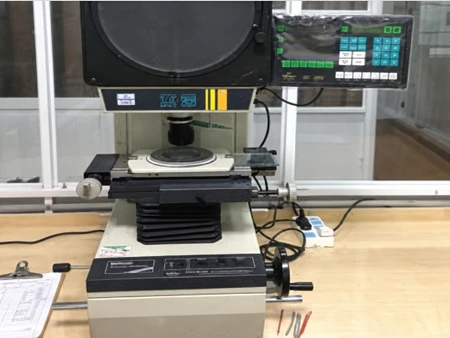
Rigorous Product Testing
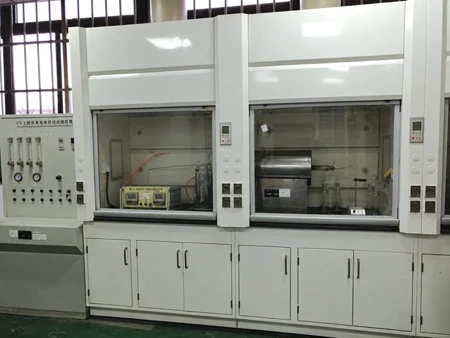
Full-process Quality Supervision
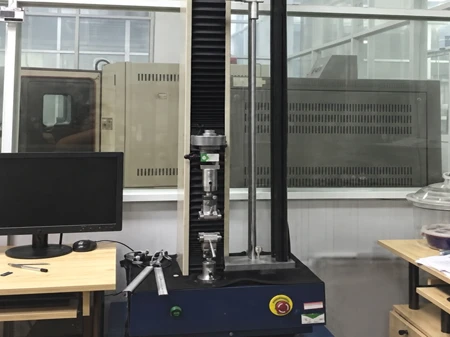
Continuous Quality Monitoring
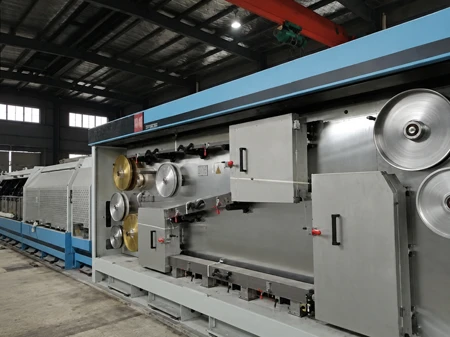
On-site Quality Assurance
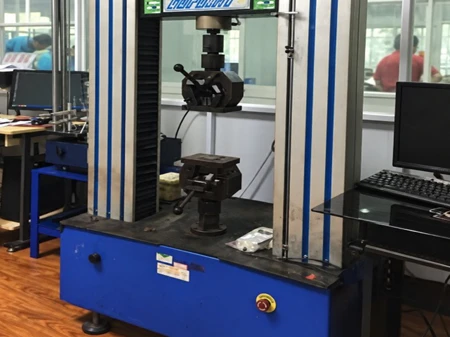
Rigorous Product Testing
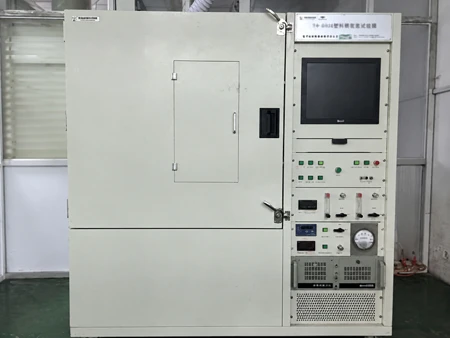
Low Smoke Zero Halogen Test
BUYER CHECK 05
Compare Lead Time, MOQ and Delivery Like an Engineer
Ask for a written delivery plan, not a verbal promise: production lead time for your order size, sample lead time, MOQ, Incoterms, port of loading, and what happens if a delay occurs. During Canton Fair season factories receive a wave of orders and lead times stretch - confirm capacity for October–December before you commit. List the documents you need (commercial invoice, packing list, certificates of origin, test certificates) and confirm they are included in the price.
BUYER CHECK 06
The Storage-Specific Questions Most Buyers Forget
These six questions separate a serious storage supplier from a battery trader:
- Which cell brand and grade are used - and from which cell manufacturer?
- What is the warranty on cycle life and capacity retention, and what is excluded?
- Which BMS protocol (CAN, RS485…) and which inverter brands are approved for this battery?
- How is thermal management handled, and what is the operating temperature range?
- Which certifications does the exact model carry for your destination market?
- Are spare parts and remote diagnostics available after the system ships?
Compare residential energy storage systems and commercial & industrial energy storage systems with these questions in hand.
BUYER CHECK 07
Warranty and After-Sales: Read the Small Print
Warranty length means little without the exclusions. Confirm what is covered (material and manufacturing defects, performance degradation beyond specified limits), who handles claims, how fast they respond, and whether spare parts are kept in stock. As a reference point, SINELINK commits to a 48-hour initial response on warranty claims through a dedicated claims team - make sure whoever you choose puts something comparable in writing.
SOURCING BRIEF
The 10-Point Vetting Checklist
Save this page to your phone or paste it into your sourcing spreadsheet. Use each point to identify evidence gaps before progressing to a sample order or commercial agreement.
|
# |
Check |
Why it matters |
|
1 |
Certificate number verified in the issuing body's database |
A logo on a brochure proves nothing. |
|
2 |
Certificate scope covers your exact model, size range and factory |
The certified product may not be the one you are buying. |
|
3 |
Standard matches your destination market (EN 50618 / IEC 62930 / UL 4703 / IEC 62619 / UL 1973…) |
Confirm the applicable market and project requirements. |
|
4 |
Manufacturing entity identified and visitable |
Clarifies production responsibility and traceability. |
|
5 |
Applicable routine, batch and qualification reports provided |
Datasheets are marketing; reports are evidence. |
|
6 |
Cell brand and grade disclosed for storage |
Cell identity and qualification support performance assessment. |
|
7 |
BMS protocol and approved inverter compatibility confirmed |
Avoid integration problems before installation. |
|
8 |
Written lead time, MOQ, Incoterms and delay handling |
Makes delivery responsibilities and remedies explicit. |
|
9 |
Warranty scope, exclusions and response time in writing |
Read the small print before, not after. |
|
10 |
Samples and pre-shipment inspection available |
Protect the shipment before it leaves the factory. |
SOURCING BRIEF
Not Exhibiting? Skip the Crowd, Keep the Standards
Here is the honest part: SINELINK will not have a booth at the 140th Canton Fair, and many serious buyers will not make it to Guangzhou this year either. Sourcing remotely works well if you keep the same discipline: ask for a video factory tour, request samples and spec sheets, book a technical call with an engineer, and verify every certificate exactly as you would at a booth - the checklist above applies the same way. Send your project requirements or browse the full product range - we respond to every inquiry, with or without a trade show.
SOURCING BRIEF
About SINELINK New Energy
SINELINK New Energy is the renewable-energy brand of Tianjin SINELINK New Energy Technology Co., Ltd., founded in 2020 in Tianjin, China. We support EPC contractors, system integrators, distributors and installers with solar DC cables (EN 50618 H1Z2Z2-K, IEC 62930, TÜV 2PfG 1169 PV1-F and UL-listed PV Wire), PV connectors, AC and project cables, residential and commercial & industrial energy storage, and EV charging products - trusted by 300+ customers across 60+ countries, with more than 850 MW of solar and storage projects supported. Services include project-based product selection, OEM customization, document control, pre-shipment inspection and global logistics.
Whether you are flying to Guangzhou or sourcing from your desk, run this checklist before you commit - it will save you money and a headache. Send us your project details or your most technical question and get a response from our engineers. Email: sales@sinelinkenergy.com
SOURCING SUPPORT · AVAILABLE REMOTELY
Bring us your project requirements.
SINELINK is not exhibiting at the 140th Canton Fair. Contact our team for product selection, technical documents and quotation support.
Event dates: Canton Fair official website. This is a SINELINK editorial briefing.