

QUALITY & PROJECT SUPPORT
Quality Assurance and Project Delivery Capabilities
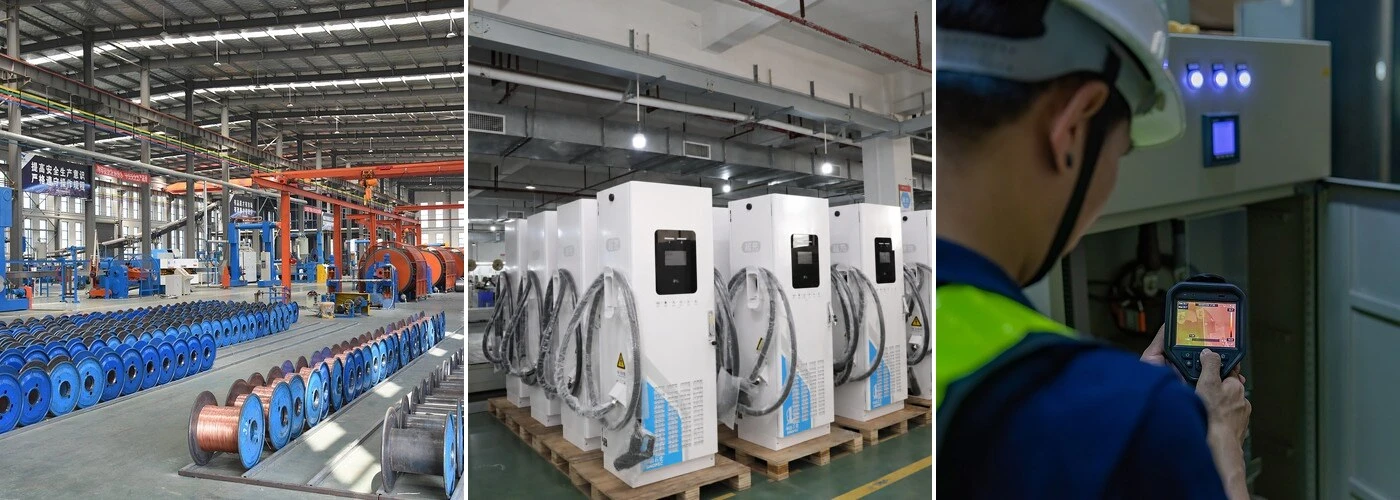
SINELINK coordinates specification review, quality planning, technical documents, inspection, and delivery support for solar cable, PV connection, energy storage, and EV charging projects.

Reliable project supply begins before production. Inspection and documentation must be defined for the exact product and order, rather than assumed from a general product family.
For the company identity, complete product scope and buyer profile, first review About SINELINK. This page concentrates on quality assurance and project execution; physical production resources are presented separately on Our Factory.
Specification and Project Review
The review starts with the intended application and destination market. The information required varies by product family:
Solar cables: standard, conductor size and material, voltage rating, construction, installation environment, marking and packaging.
PV connection products: component compatibility, cable size, mating requirements, seal range and assembly drawings.
Energy storage equipment: power, usable energy, duration, operating mode, grid data, site conditions, communications, codes and integration boundaries.
EV charging equipment: AC or DC charging type, rated power, connector interface, input supply, communications, mounting, environmental conditions and destination-market requirements.
Quality Control by Product Family
Solar Cables
The agreed plan may cover material and construction verification, dimensions, conductor characteristics, electrical properties, marking, appearance, quantity and packaging.
PV Connectors and Assemblies
Review may address component matching, conductor and cable compatibility, termination workmanship, sealing components, identification and specified inspections.
Energy Storage Systems
The control plan may include configuration, workmanship, protection, wiring, labels, communications, enclosure requirements, functional checks and documents.
EV Charging Equipment
The agreed review may cover model configuration, electrical protection, connector and cable interfaces, communications, enclosure, labeling, functional checks, and order documents.
Testing Scope Must Be Defined Correctly
Not every test is performed on every batch. The applicable standard, model, approved inspection plan, and contract determine what is required.
Routine tests: performed on defined production units or batches when required.
Sampling inspections: performed on selected samples using agreed acceptance criteria.
Type or qualification tests: demonstrate a design or product family against a defined standard.
Third-party tests or project FAT: follow an independently agreed or project-specific scope.

Technical and Compliance Documents
Document availability varies by product, manufacturer, model, destination and contract. Buyers should request the exact list during technical clarification.
• Product data sheet and approved technical specification
• Construction sheet, drawing or wiring diagram where applicable
• Current certificate or test report for the exact manufacturer and model
• Inspection plan, acceptance criteria and agreed records
• Packing list, labels and product identification
• Installation, operation or maintenance information where included
Customization, Inspection and Delivery Support
Customization: selected cable construction, printing, packaging, PV cable assemblies, energy storage configurations, EV charger interfaces or branding, labels and project documents may be reviewed. Feasibility, certification impact, tooling, MOQ, cost and lead time require confirmation.
Third-party inspection and FAT: the organization, scope, standards, sampling method, witness points, records, acceptance criteria, schedule and cost responsibilities should be agreed before production.
Packaging and export delivery: protection, labels and loading plans are selected for product dimensions, weight, transport method, storage conditions and destination requirements.
What Buyers Should Submit
Send the specification or drawing, destination and standards, application and site conditions, quantity and schedule, required documents, inspection or FAT needs, and customization or packaging requirements. ESS enquiries should also include power, usable energy, load profile, operating mode, grid data and communications. EV charging enquiries should identify AC or DC charging, rated power, connector standard, input supply, network protocol and installation method.
Email: sales@sinelinkenergy.com
Quality and Project Capabilities: FAQ
How does SINELINK control solar cable quality?
The control plan is based on the approved construction, applicable standard and order. It may include material, dimensional, electrical, marking, appearance and packaging checks.
Is every solar cable batch tested in the same way?
No. Routine tests, sampling inspections and type tests serve different purposes; the required scope depends on the product, standard and contract.
Can SINELINK provide certificates and test reports?
Available documents vary by manufacturer, model and market. Request current documents showing the exact scope, number, issuing body and validity.
Can a third party inspect an order?
Third-party inspection or witness points may be arranged when scope, timing, criteria, access and costs are agreed before production.
What is included in an energy storage FAT?
A FAT may cover configuration, workmanship, labeling, protection, communications, functional checks and agreed records within the approved system boundary.
What information is needed for an EV charging project review?
Provide the charger type and power, destination market, connector standard, input supply, communications, mounting method, quantities and required documents. The applicable inspection scope is then confirmed for the selected model and order.
Start with a reviewable project package.
Send the specification, destination, inspection needs, and delivery requirements.