

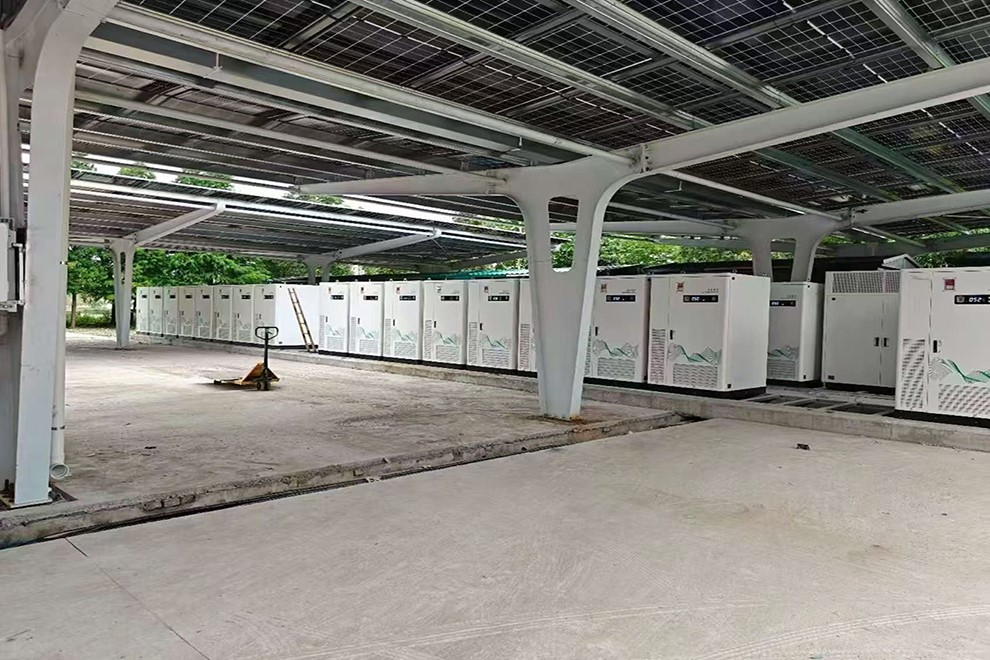
An EV charging solution coordinates chargers with the site's electrical capacity, protection, cables, load management and operating schedule. The right configuration is determined by the vehicles, daily charging energy, dwell time, required turnaround, grid limit and plans for expansion-not charger power alone.
CUSTOMER PROBLEMS
What must be solved before chargers are ordered?
A workable site connects vehicle operation, power availability and project responsibility in one plan.
Unclear charging demand
Vehicle types, daily sessions, energy demand and dwell time have not been defined.
Limited grid capacity
Connected charger power may exceed the transformer or the site's available capacity.
Late electrical planning
Protection, cable routes, voltage drop and civil work are considered after equipment selection.
No load-management plan
Multiple chargers share the site without an agreed allocation or expansion strategy.
Undefined project boundaries
Hardware, software, installation, commissioning and support responsibilities remain unclear.
SITE COORDINATION
What SINELINK can help coordinate
| Deliverable | What it covers | Customer value |
|---|---|---|
| Demand review | Vehicles, sessions, dwell time and daily energy | Avoids selecting by maximum charger power alone |
| Charger configuration | AC/DC mix, quantity and proposed power allocation | Matches charging speed to site operation |
| Electrical scope | Power cables, protection, routes and connection requirements | Creates a clearer installation and procurement plan |
| Load-management requirements | Static or dynamic power allocation and communication needs | Helps the charging site remain within an agreed demand limit |
| Optional solar and storage | PV carport, generation profile and defined BESS role | Evaluates energy options against real operating objectives |
ARCHITECTURE OPTIONS
Choose the charging approach that fits the site
AC charging
For workplaces, hotels, residential developments and other locations with longer parking periods.
DC fast charging
For faster turnaround where vehicle capability, grid capacity and project economics support higher power.
Mixed AC and DC
For sites serving employee, visitor, fleet and priority vehicles with different dwell times.
Solar carport charging
Coordinates PV generation, charger demand, inverter capacity, electrical routes and grid interaction.
Solar + storage + charging
Adds storage only for defined objectives such as solar shifting, demand management or power buffering.
Expandable charging site
Plans switchboard capacity, conduits, communications and load management for later charger additions.
PROJECT METHOD
From operating requirement to reviewable supply scope
Charging demand
Confirm vehicle types, sessions, dwell time and operating schedule.
Site power
Check grid connection, transformer capacity, voltage and existing demand.
Architecture
Review AC/DC mix, quantity, allocation and electrical routes.
Supply scope
Agree equipment, documents, interfaces, packing and responsibilities.
Delivery
Align schedule, installation inputs, commissioning and support.
Information required for a preliminary review
- Destination country and site type
- Vehicle types and connector requirements
- Parking spaces and expected daily sessions
- Average dwell time and required turnaround
- Grid voltage and transformer capacity
- Existing peak load
- Site plan and cable distances
- Networking or backend requirements
- Solar, carport or storage plan
- Future expansion target and delivery date
Continue to the relevant product family
EV charging project FAQ
Should a commercial site choose AC or DC charging?
Choose according to vehicle dwell time, daily energy demand, required turnaround, grid capacity and budget. AC charging is often suitable for long parking periods; DC charging supports faster turnaround where the site and vehicles can accept higher power.
How many chargers can the site support?
This depends on transformer capacity, existing peak demand, charger diversity, operating schedule and load management. A site does not always need to supply every charger at full rated power simultaneously.
Can solar panels contribute to EV charging?
Yes, through the site's electrical system. The design must coordinate variable PV generation with charger demand, inverter capacity, grid interaction and any battery storage.
When is battery storage useful?
Storage may support solar shifting, demand management or power buffering. Its value depends on the charging profile, tariff, grid limit and operating strategy, so these inputs should be defined before sizing.
Request an EV charging site configuration
Send the site type, destination country, vehicle profile, parking duration, available electrical capacity, charger quantity, connector requirement and management needs.