

Utility-Scale Solar and Storage Project Solutions
Coordinate critical electrical materials and optional storage inputs around the project schedule so the EPC team can reduce tender ambiguity, uncontrolled substitutions, and delivery fragmentation.
SINELINK supports project material scope, documentation, and delivery coordination. Plant design, grid studies, civil works, installation and final acceptance remain under the responsible project parties.
Need a connected application view? Open the SINELINK Solution Hub to compare the five solution paths.
The Project Questions This Page Helps Answer
Early quantities change with the layout
Route changes can create shortages, excess stock, and undocumented substitutions unless the schedule has revision control.
Project materials arrive with disconnected records
Cable, connectors, grounding, labels, and technical submittals need one controlled handover structure.
Environmental conditions are treated after award
Long routes, high ambient temperature, burial, water exposure and wildlife need to be specified before the order is frozen.
Construction sequence is not reflected in packing
A correct total quantity can still delay the site when reels, assemblies, or labels do not match work fronts.
Storage is considered too late
If energy shifting or curtailment becomes relevant, interface questions and space requirements should be defined as a distinct workstream.
Connect technical scope to delivery reality
SINELINK converts plant architecture, route conditions, market requirements and construction sequence into coordinated supply packages. The scope can include solar DC cables, PV connectors, grounding, AC cable, factory-assembled leads and project-specific protection where justified by the route.
The project team receives a controlled procurement basis: cable/connector schedule, document matrix, reel and label logic, shipment grouping and a change-control process. This allows engineering revisions to be reflected in commercial quantities and field traceability.
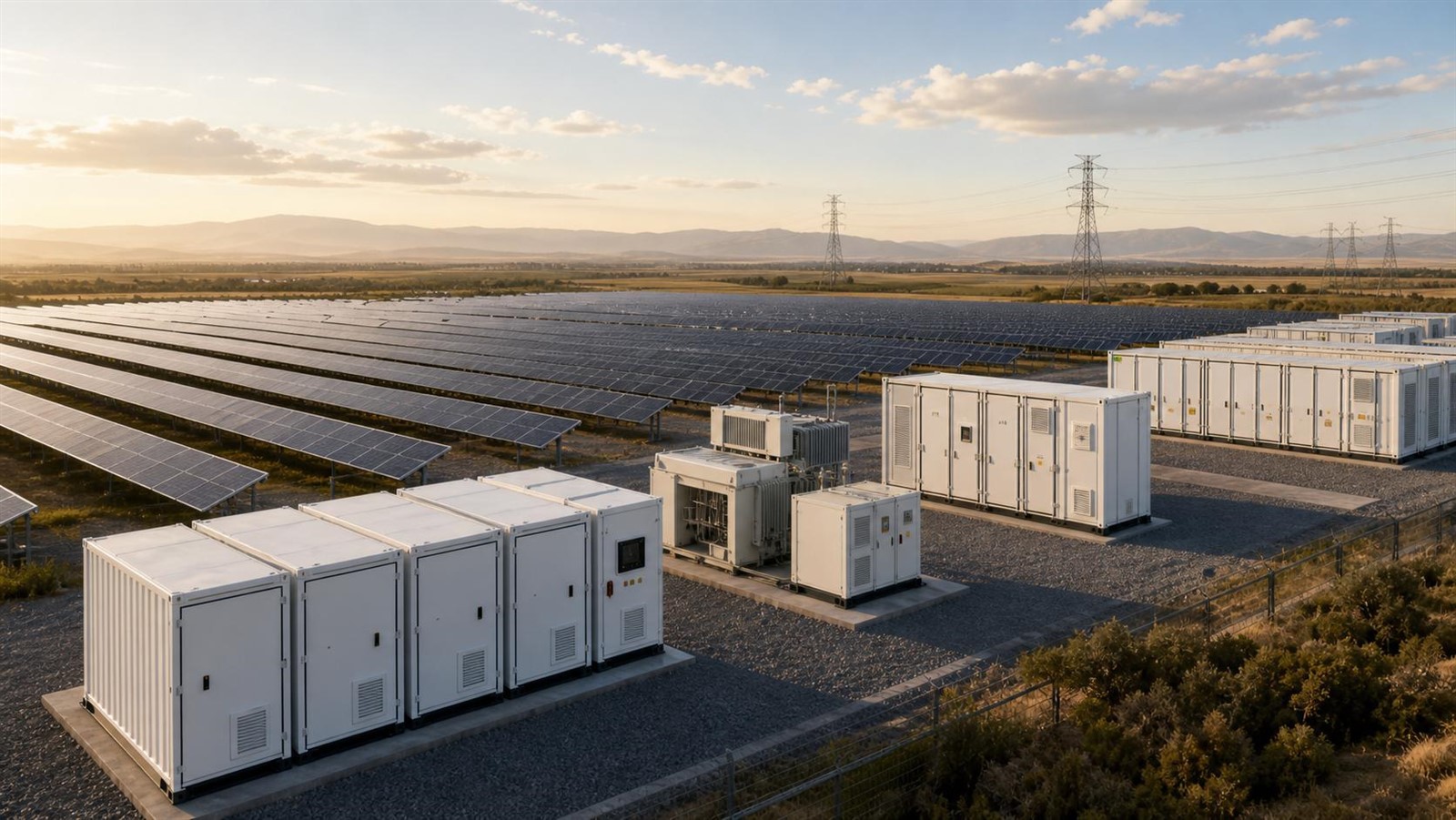
When storage is part of the business case, a containerized energy-storage discussion can be opened as a separate scope. Power, energy, duty cycle, grid interface, controls and ownership must be agreed before it is included in the project package.
What the Project Team Receives
| Deliverable | What it covers | Why it matters |
|---|---|---|
| Tender clarification matrix | Standards, interfaces, exclusions, environmental zones and required records | Fewer hidden assumptions in bids |
| Cable and connector schedule | Route-based type, conductor size, quantity and installation notes | A controlled procurement baseline |
| Lot and packing plan | Reel/assembly labels, work-front sequence and site destination | Easier receiving and distribution |
| Technical submittal matrix | Datasheets, applicable certificates, drawings, marking and tests | Traceable review and handover |
| Revision and change control | Route, quantity and interface changes linked to a revision record | Reduced substitution risk |
| Optional storage input list | Use case, preliminary power/energy criteria and interface questions | A decision-ready storage starting point |

Built Around the Application
Large ground-mount solar
Plan DC collection routes, long runs, reels, field labels, grounding, and inverter/AC interfaces by block.
Floating or water-adjacent PV
Review movement, water exposure, route support, connector handling, and approved product conditions.
Remote or harsh sites
Review heat, abrasion, rodents, access, site logistics and spares planning before the final BOM.
Phased or multi-lot construction
Align packing, labels, documentation and delivery sequence with the site work fronts.
Solar plus storage projects
Keep battery/PCS/control discussions visible as a defined interface package rather than a last-minute add-on.
Information Needed Before Recommendation
Share the following information so the response can move from a catalogue conversation to a project-relevant technical and commercial discussion:
- Project country, project standard, and tender or owner requirements
- Single-line diagram, array blocks, inverter/transformer architecture and cable route drawings
- System voltage, design current, route lengths, voltage-drop and installation-method assumptions
- Environmental zones including heat, water, burial, abrasion, wildlife and access constraints
- Connector, grounding, AC collection and pre-assembled lead requirements
- Required product documents, inspection plan, labeling/packing rules and approved alternates process
- Phased delivery plan, work fronts, project schedule and destination/receiving details
- Optional storage use case, preliminary power/energy/duration, grid interface and control responsibility
Related SINELINK Pages
PV Cable and Connection Solutions - related information for this project stage.
Solar DC Cables - related information for this project stage.
Solar PV Connectors - related information for this project stage.
Commercial and Industrial Energy Storage Solutions - related information for this project stage.
Solution Hub - related information for this project stage.
Frequently Asked Questions
What is included in a utility solar project cable package?
A project-matched scope may include DC cable, connector and assembly schedules, grounding/AC cable inputs, protection notes, documents, labeling and delivery coordination. The final list follows the project design.
How do you prevent cable shortages on a solar farm?
Use a route-based quantity schedule with revision control, an approved substitutions process, reel/assembly identification, and delivery planning tied to construction work fronts.
Can one supplier coordinate cable and connectors?
Yes, when the exact cable/connector interfaces, documents, quantities and responsibilities are agreed. The project team must still verify application and installation compliance.
When should storage be considered for a utility project?
Consider it when curtailment, time shifting, capacity support, grid constraints or commercial dispatch are part of the project case. Treat it as a separate engineering and commercial workstream.
What documents are useful for utility project material approval?
The required list varies by tender, but typically includes datasheets, certificates or listings as applicable, drawings, test records, marking/label data, packing information and product traceability.
What information should an EPC share first?
Share the tender scope, target country, single-line diagram, route/BOM data, site environment, project schedule, document requirements and any approved-brand or substitution constraints.

Request Utility Project Support
Send the tender scope, country, single-line diagram, route/BOM schedule, environmental conditions, document requirements, and delivery milestones. SINELINK can organize a reviewable supply package for tendering, procurement, and field execution.
Request utility project support