

A visiting customer from Vietnam joined the SINELINK team for an on-site review of solar mounting structure production and solar carport fabrication. The visit focused on zinc-aluminum-magnesium coated steel supports, hot-dip galvanized mounting systems, solar carports and EV charging equipment. The customer is active in rooftop and ground-mounted PV projects and is also looking ahead to floating solar. For both teams, the visit created a useful starting point for technical discussions and long-term cooperation.
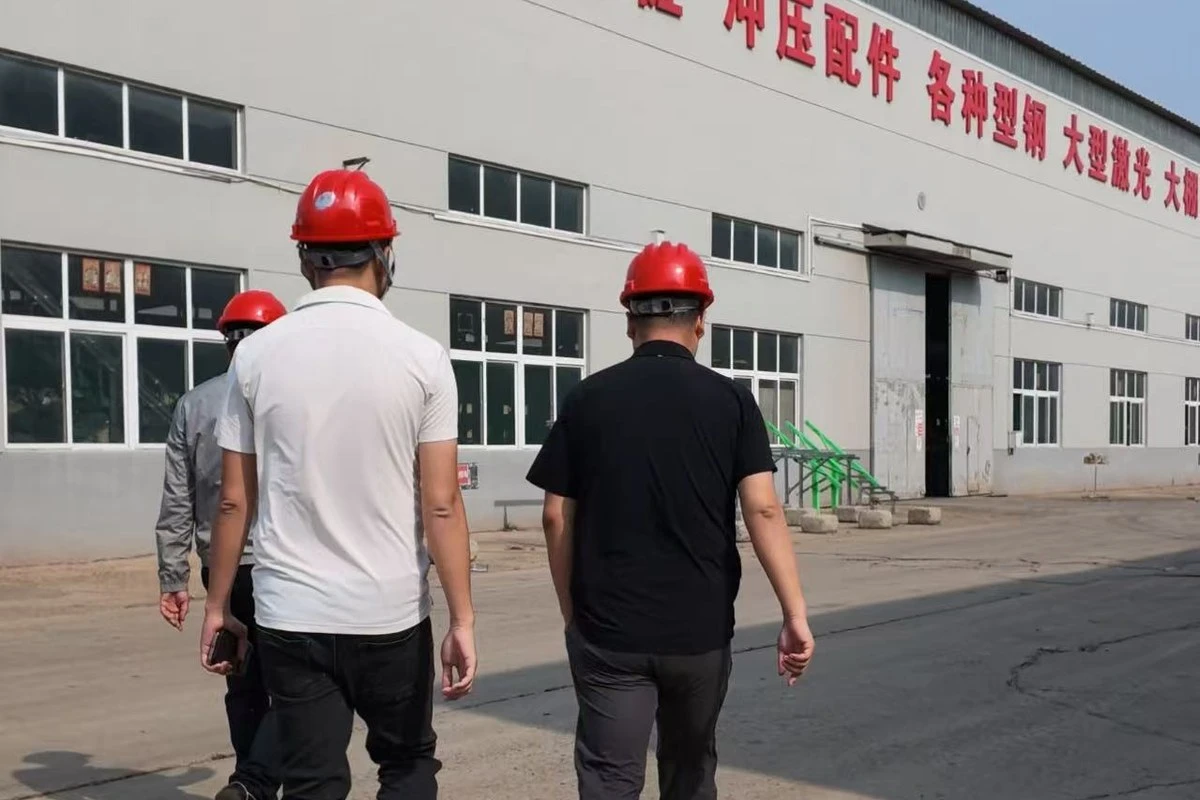
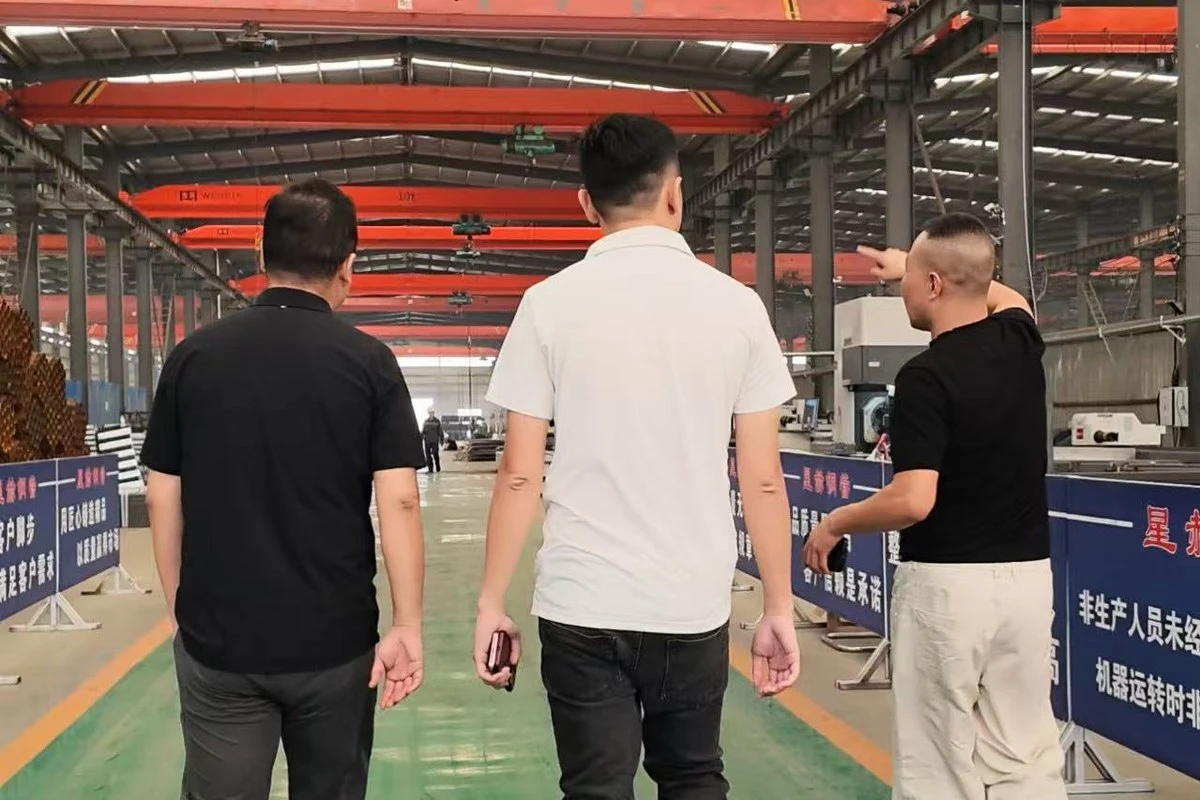
On October 14, 2026, we welcomed a customer from Vietnam to discuss practical supply options for solar projects. The visit included a tour of a photovoltaic mounting structure manufacturing facility and a closer look at solar carport processing. We reviewed the production setting, product options and the questions that matter before a project moves to procurement.
A catalog can show a drawing or a finished product. A factory visit gives a buyer more context. They can see how mounting components are processed, ask about materials and finishes, and talk directly about project requirements. It also gives both sides time to understand how the other team works.
For a broader view of manufacturing and project support, see SINELINK's manufacturing and assembly overview and quality and project capabilities.
The customer is already involved in rooftop and ground-mounted solar projects. These two applications have different design needs. Rooftop systems must work with the building structure, roof layout and waterproofing details. Ground-mounted systems need careful review of foundations, terrain, wind loads and site conditions.
The customer also shared an interest in future floating solar projects. This is a separate engineering challenge. Floating PV needs a project-specific review of floats, anchoring, mooring, water conditions, corrosion exposure and electrical routing. We see this as a topic for future technical exchange, not as a project that has already been ordered or delivered.
Building structure, roof layout and waterproofing details.
Foundations, terrain, wind loads and site conditions.
Floats, anchoring, mooring, water conditions and electrical routing.
The customer showed strong interest in zinc-aluminum-magnesium (Zn-Al-Mg) coated steel supports. This material family can offer useful corrosion-resistance options for solar structures. But the final choice depends on the actual coating specification, exposure conditions, cut-edge behavior, forming process and project life requirements. It is not enough to choose by the coating name alone.
Hot-dip galvanized steel supports were another important topic. They are widely considered for outdoor structures, including many ground-mounted PV projects. Buyers still need to check steel grade, structural design, galvanizing requirements, coating thickness, fabrication details and the relevant inspection plan.
During a technical review, these two options should be compared against the same project inputs. The goal is not to say that one coating is always better. The goal is to select a structure and corrosion-protection system that fit the location and design.
|
Review point |
Why it matters to the buyer |
|---|---|
|
Project location and environment |
Corrosion exposure can vary between inland, coastal and industrial sites. |
|
Steel grade and member design |
Structural strength must match the approved engineering calculations. |
|
Coating type and specification |
Zn-Al-Mg and hot-dip galvanizing require different specification checks. |
|
Connections and cut edges |
Bolts, cut surfaces and contact between materials can affect durability. |
|
Drawings and inspection records |
The quotation should match the approved design and quality plan. |
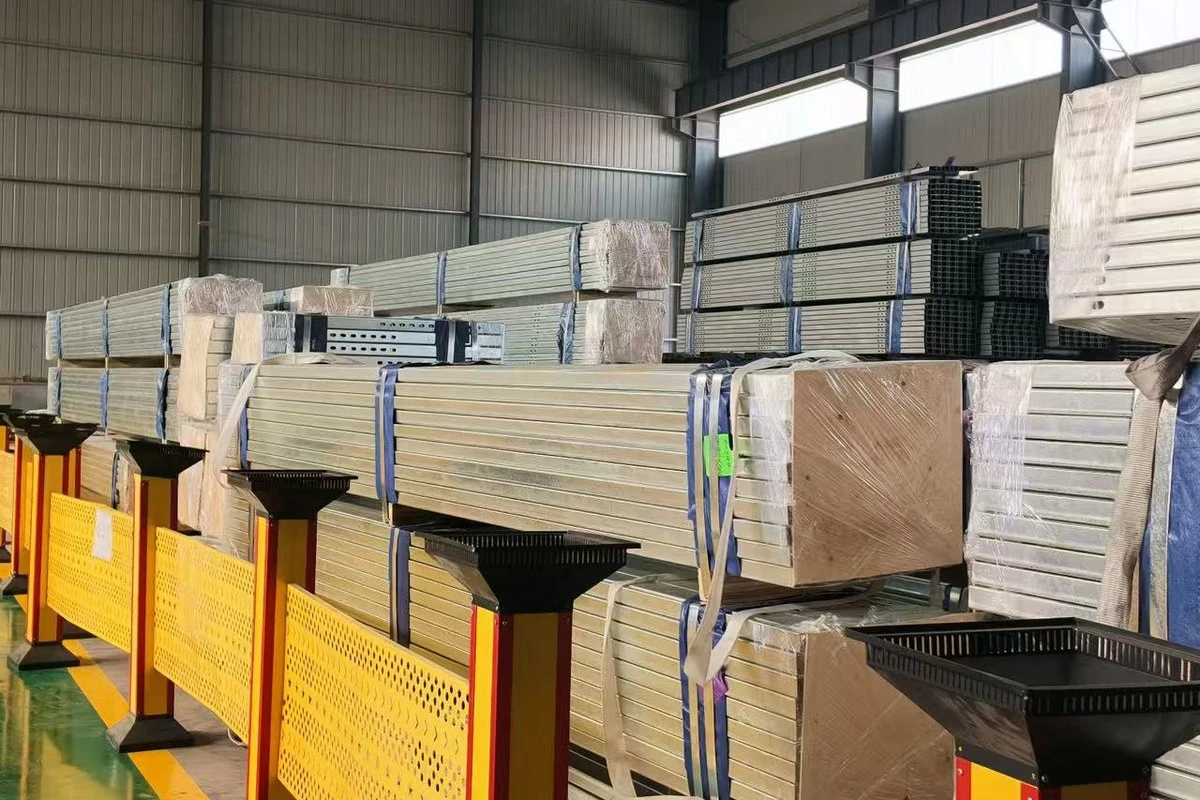
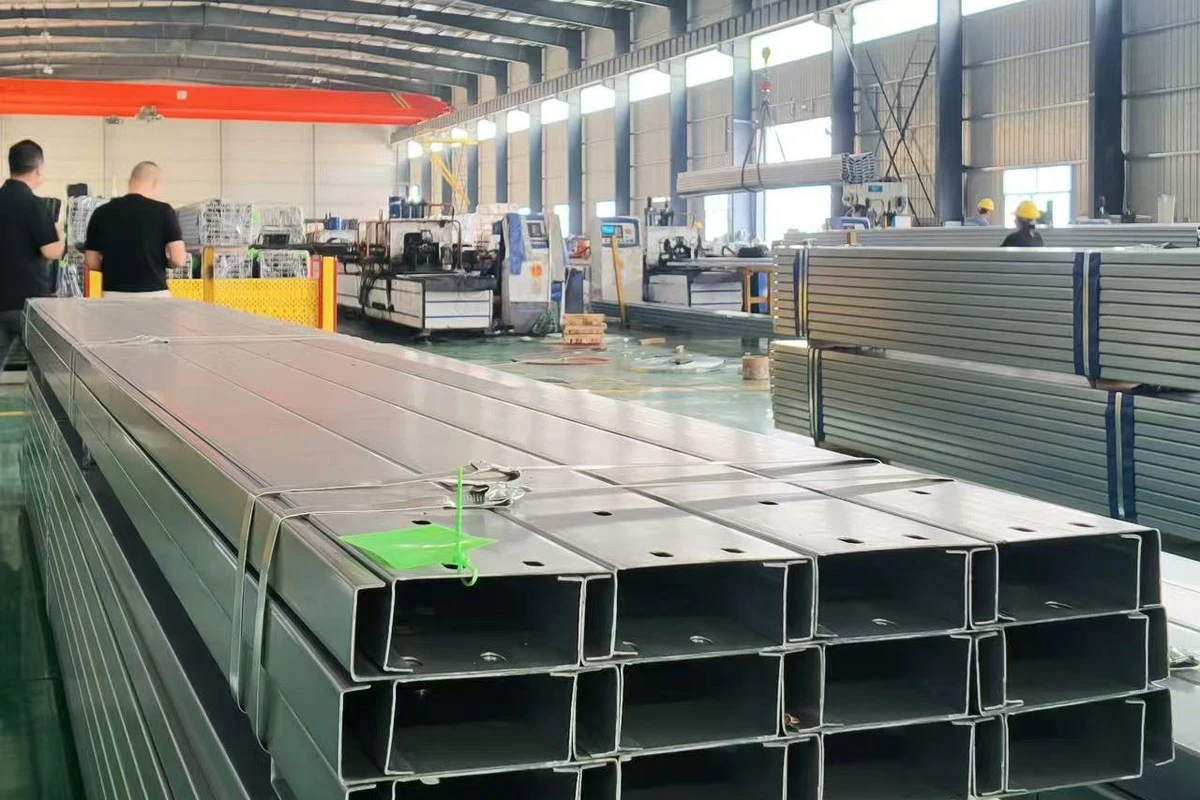
Solar carports were one of the most engaging parts of the visit. They turn parking space into a useful location for solar panels. A well-planned carport can provide shade and support on-site electricity generation. It can also be designed with future EV charging in mind.
Our discussion covered the fabrication of solar carport structures and the questions buyers need to answer: parking layout, column positions, vehicle clearance, drainage, wind and rain loads, cable routes, corrosion protection and access for installation and maintenance.
For commercial properties, the next decision is how charging will fit the parking pattern. AC charging may suit vehicles parked for several hours. DC charging may suit shorter stops when the site has enough electrical capacity. Both require a review of vehicle compatibility, available power and local installation conditions.
See the EV charging product range and our commercial EV charging infrastructure buyer's guide for the planning factors behind AC and DC equipment selection.
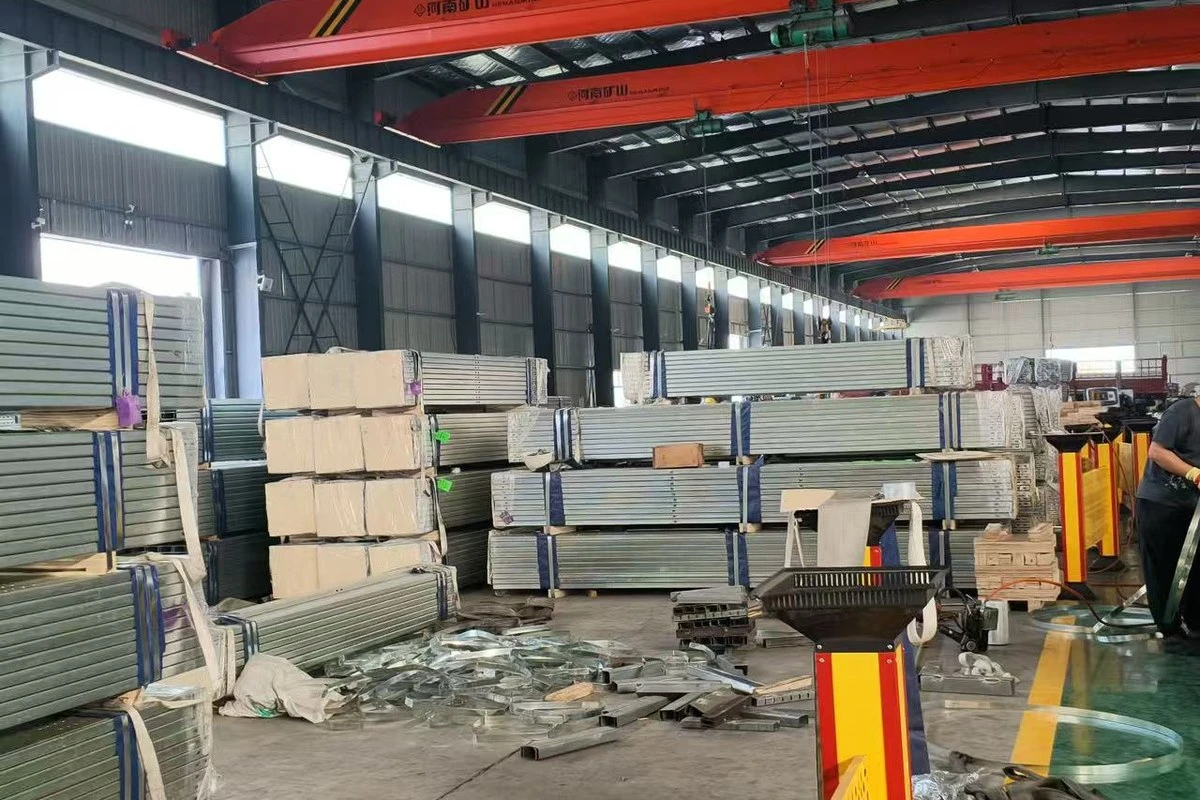
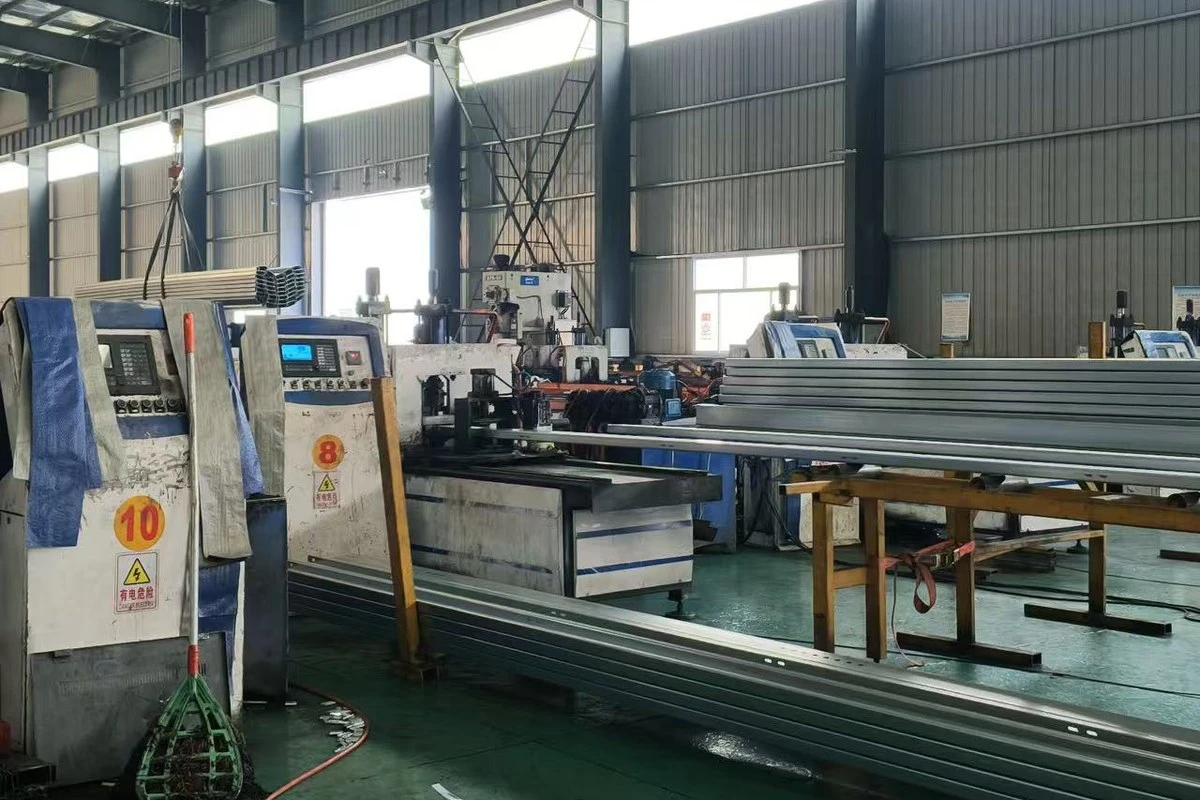
The customer was also interested in EV chargers. This matters because a carport and a charging station should not be planned as two unrelated purchases. Space, cable routing, electrical distribution, drainage, safety access and future expansion all affect the final design.
A solar carport does not automatically provide enough power for a charger at every parking space. The design must account for solar output, the building or grid connection, charging demand and any energy management or storage equipment. A site study is needed before charger quantity or power can be confirmed.
Project teams can review SINELINK EV charging solutions to discuss the right AC, DC or mixed approach for a site.
The most valuable result of this visit was not a quick sales promise. It was the chance to ask detailed questions, see production work in person and discuss real project needs. Both teams now have a clearer understanding of the applications under consideration and the information needed for the next stage.
We value the customer's time and interest. The visit laid a positive foundation for continued technical exchange and possible future cooperation. Product selections, prices, quantities and delivery terms will be discussed only after the project requirements are confirmed.
If you are planning a rooftop PV system, a ground-mounted solar plant, a solar carport or a future floating solar project, start with the site details. Tell us the project location, structure type, estimated capacity, drawings, expected environment, required standards and delivery schedule. For carports, add the parking layout and any EV charging plans.
Share your requirements with SINELINK at sales@sinelinkenergy.com or send a project inquiry. We can review the relevant supply scope and the technical questions that need to be settled before quotation.
The customer visited solar mounting structure production and solar carport fabrication. The discussions covered Zn-Al-Mg coated steel supports, hot-dip galvanized supports, solar carports and EV charging equipment.
The customer is involved in rooftop and ground-mounted PV projects and is considering floating solar as a future area. No floating PV contract or delivery is being claimed.
No. The right choice depends on the steel grade, coating specification, site environment, fabrication details and the project's approved design and maintenance plan.
Yes, they can be planned together. The project still needs checks for parking layout, electrical capacity, charger demand, cable routing and local installation rules.
The visit helped both teams build trust and discuss potential cooperation. No signed order or confirmed delivery has been announced in this article.
Send the project type, location, drawings, expected capacity, site environment, required material or coating, quantities and delivery plan. For solar carports, also include parking dimensions and charging requirements.