

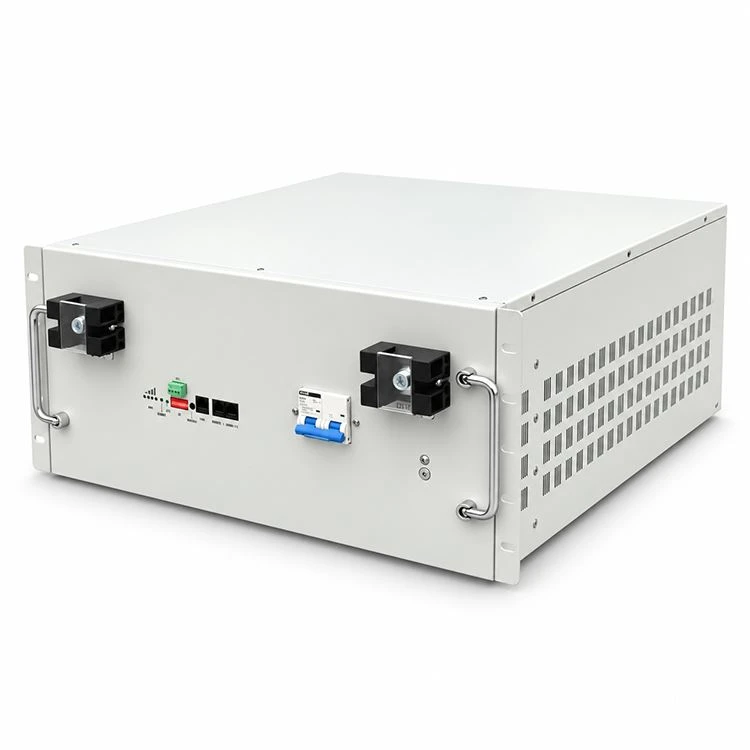
Product Overview
LFP-R is a UL-certified 51.2V rack-mounted lithium iron phosphate battery platform for telecom backup, data rooms, residential storage and industrial energy applications. The system supports up to 16 compatible battery units in parallel for scalable energy storage. The two configurations provide 5.12kWh or 16.1kWh, with an intelligent BMS, RS485 communication, EIS cell-health diagnosis, status LEDs and modular DC capacity expansion.
Choose 5.12kWh or 16.1kWh to match your backup energy requirements. The 51.2V platform supports integration with compatible rectifiers, inverters and UPS equipment.
Product Features
-
Rack-ready Modular DC Storage
The rack-mounted format supports independent DC supply and modular expansion for structured equipment-room installations.
-
Intelligent BMS Protection
The BMS monitors cell condition, supports high-precision balancing and coordinates multiple automatic protections for stable operation.
-
EIS Cell-health Diagnosis
Electrochemical impedance spectroscopy data can support condition assessment by tracking internal electrochemical response over time.
-
RS485 and Status Indication
Built-in RS485 and LED indicators support system integration, operating visibility and remote data workflows.
-
Application Flexibility
The platform is intended to integrate with compatible telecom rectifiers, photovoltaic systems and UPS equipment.
Cell Quality Control for Consistent Performance
Consistent battery performance starts with cell quality. Cell inspection, electrical matching and careful handling help reduce variation within a battery module and support stable operation.
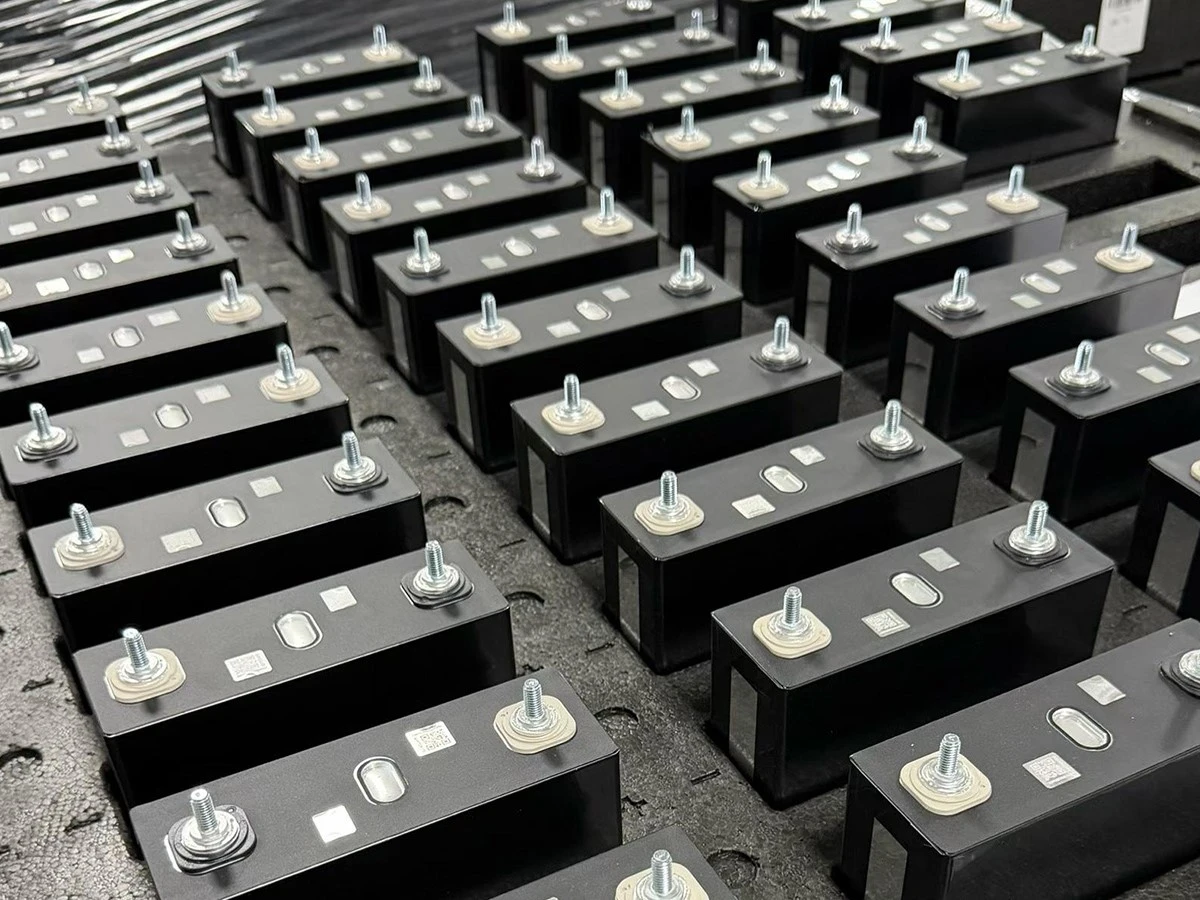
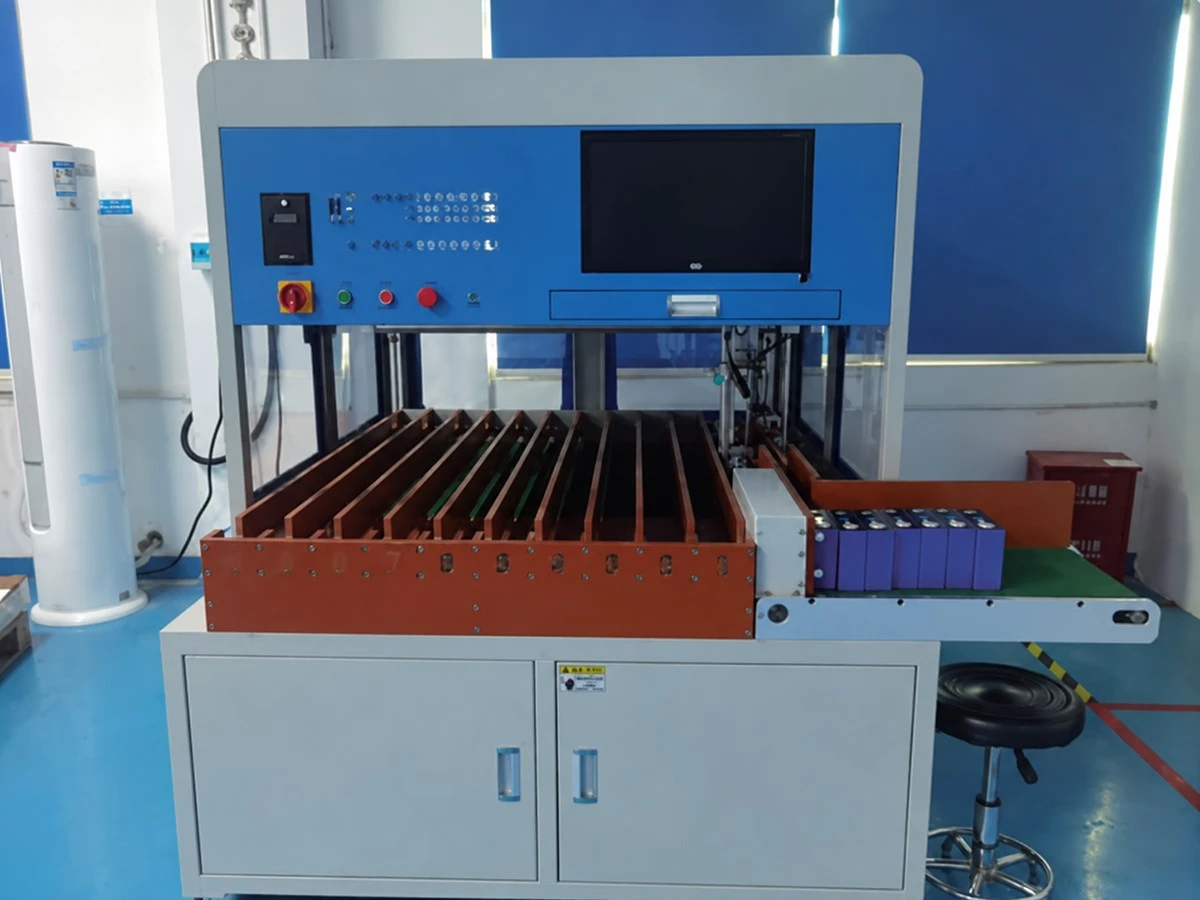
Comparing capacity, voltage and internal resistance under defined conditions helps select compatible cells for module assembly.
Inspection of cell housings, terminals and insulation helps identify damage or irregularities before assembly.
Protective trays and organized processing help limit mechanical damage and maintain orderly cell handling through production.
Automated Production for Reliable Build Quality
Automated workstations and an organized assembly line support repeatable production processes. Controlled positioning, consistent connections and in-process inspection help maintain uniform build quality across battery assemblies.
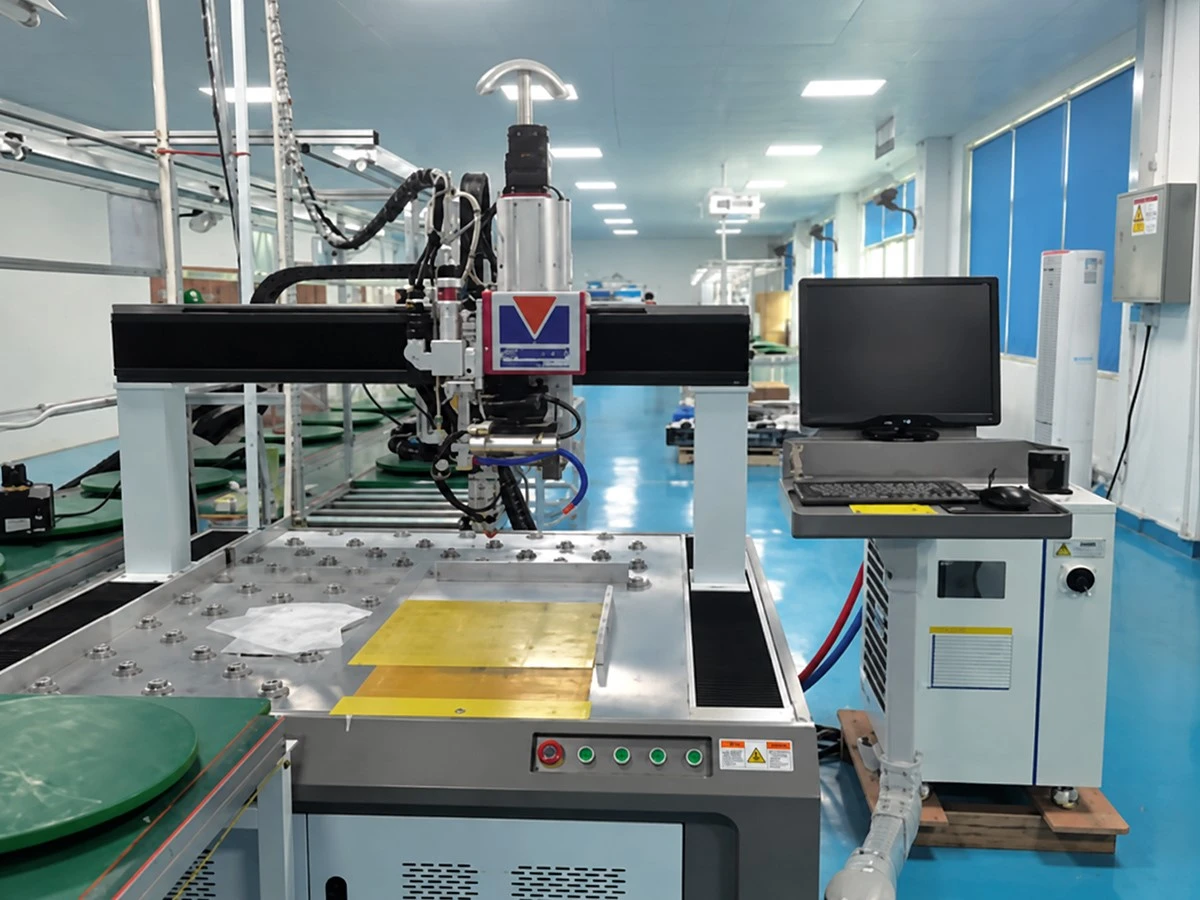
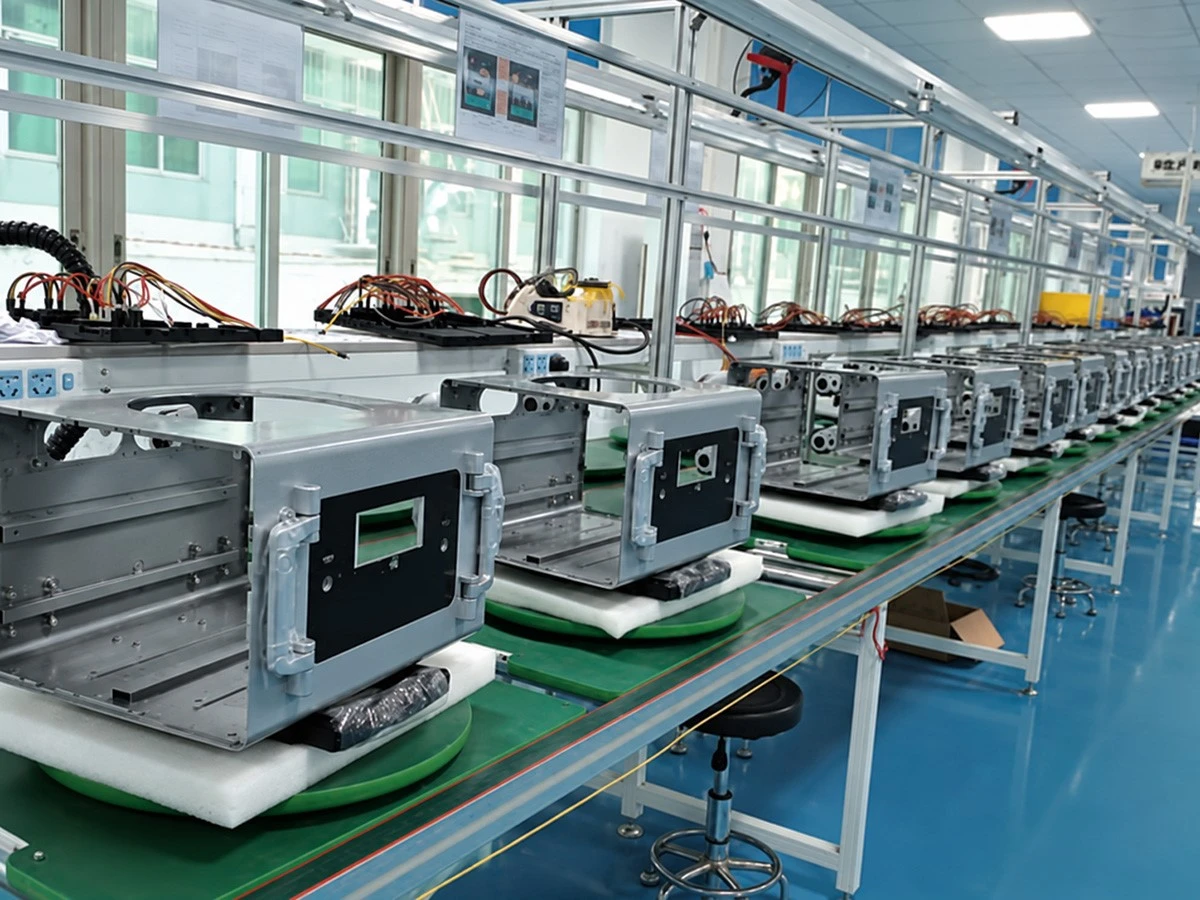
Consistent machine settings and component positioning help reduce variation in repetitive assembly operations.
Secure connections, protected wiring and correct component fit support reliable construction of the finished battery.
Checks throughout assembly help identify deviations early and support consistent quality before final performance testing.
Technical Specifications
Specifications are subject to change without prior notice.
Battery Monitoring and Rack Integration
EIS is a diagnostic input, not a standalone pass/fail result
Impedance trends can help identify cell ageing or inconsistency, but interpretation should consider temperature, SOC, baseline data and the manufacturer's diagnostic method.
Rack installation needs structural and thermal coordination
Verify rack load capacity, rail or shelf compatibility, fastening, access and airflow. The 16.1kWh model weighs 135kg and requires suitable handling equipment.
Communication compatibility matters
RS485 provides the communication interface. Successful integration also depends on a compatible protocol, firmware and cable pinout for the connected equipment.
Routine care supports reliable operation
No routine electrolyte service is expected, but operators should still review alarms, connections, temperature, ventilation, rack condition and abnormal physical signs.
Installation and Maintenance
- Confirm rack load, shelf/rail arrangement, fastening and lifting method before installation.
- Maintain natural-air cooling clearances and keep the IP20 battery in a controlled indoor environment.
- Coordinate DC polarity, cable sizing, protection, grounding and terminal torque with the equipment design.
- Commission RS485 addresses and verify every expected battery is visible to the supervisory system.
- Trend EIS or health indicators under comparable SOC and temperature conditions where supported.
- Inspect LEDs, alarms, rack fasteners, connectors, ventilation and abnormal heat during scheduled checks.
Packing and Transport
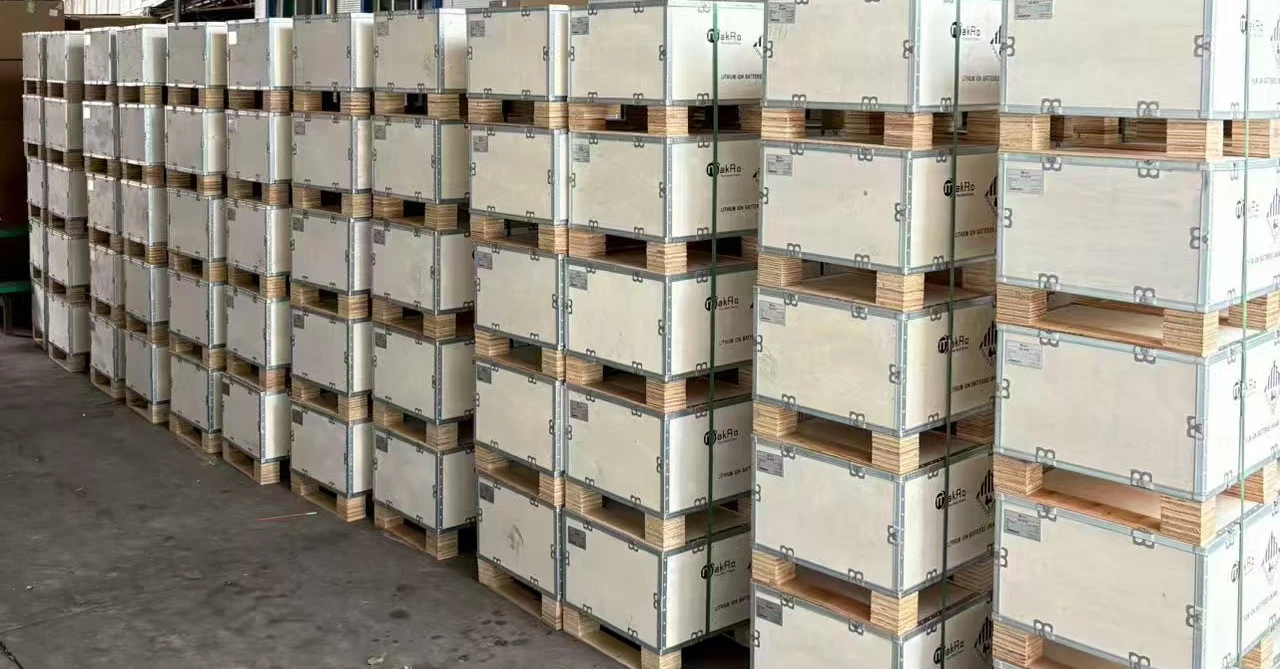
Ship each battery in approved protective packaging with terminals insulated against short circuit. Confirm required lithium-battery test summaries, labels, documents, state-of-charge limits and carrier restrictions for the selected transport route. Keep packages upright and dry, protect them from impact, and quarantine any unit showing deformation, leakage, unusual odor or abnormal heat.
FAQ
Can this battery be installed outdoors?
The IP20 battery requires a dry, protected indoor installation with suitable ventilation and service access.
Can EIS predict the exact remaining battery life?
Not by itself. EIS is one diagnostic signal and should be interpreted with operating history, temperature, SOC, capacity tests and manufacturer algorithms.
How many battery units can be connected in parallel?
The system supports up to 16 compatible battery units in parallel. Use a matched configuration with coordinated communication, wiring and protection.
Can the two capacity models be mixed in one bank?
Do not assume so. Confirm the approved parallel configuration, firmware, addressing, current sharing and matching rules before mixing capacities.
What routine maintenance is needed?
Routine checks include alarms, connections, ventilation, rack condition and signs of unusual heat or physical damage. Electrical servicing requires safe isolation.
Find the Right Rack Battery Configuration
Contact SINELINK with your rectifier, UPS or inverter model, critical loads, required backup duration, rack layout and communication requirements to select a suitable battery configuration.
Send Inquiry NowProduct configuration and supply scope are specified in your quotation.
Technical Specifications
Specifications are subject to change without prior notice.


