



261kWh Liquid-Cooled Outdoor Integrated Energy Storage Cabinet
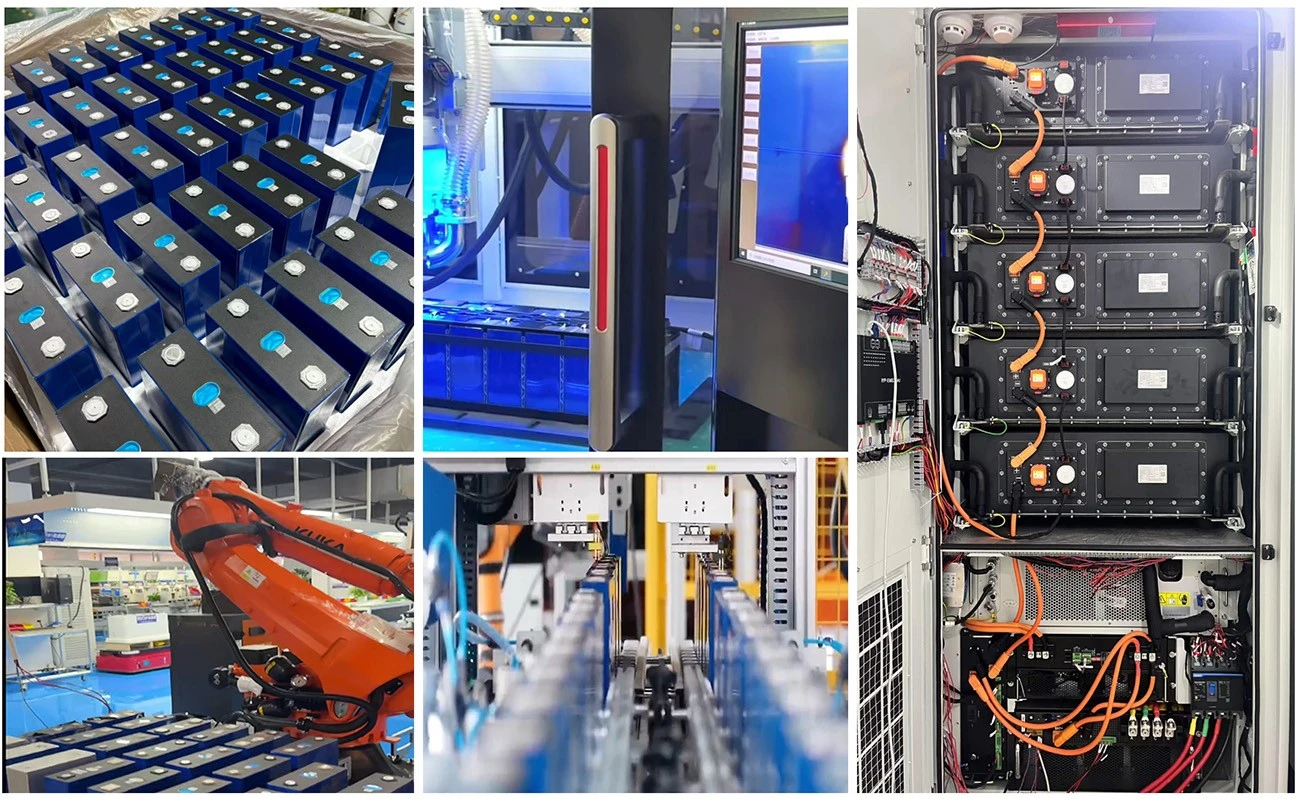
Product Overview
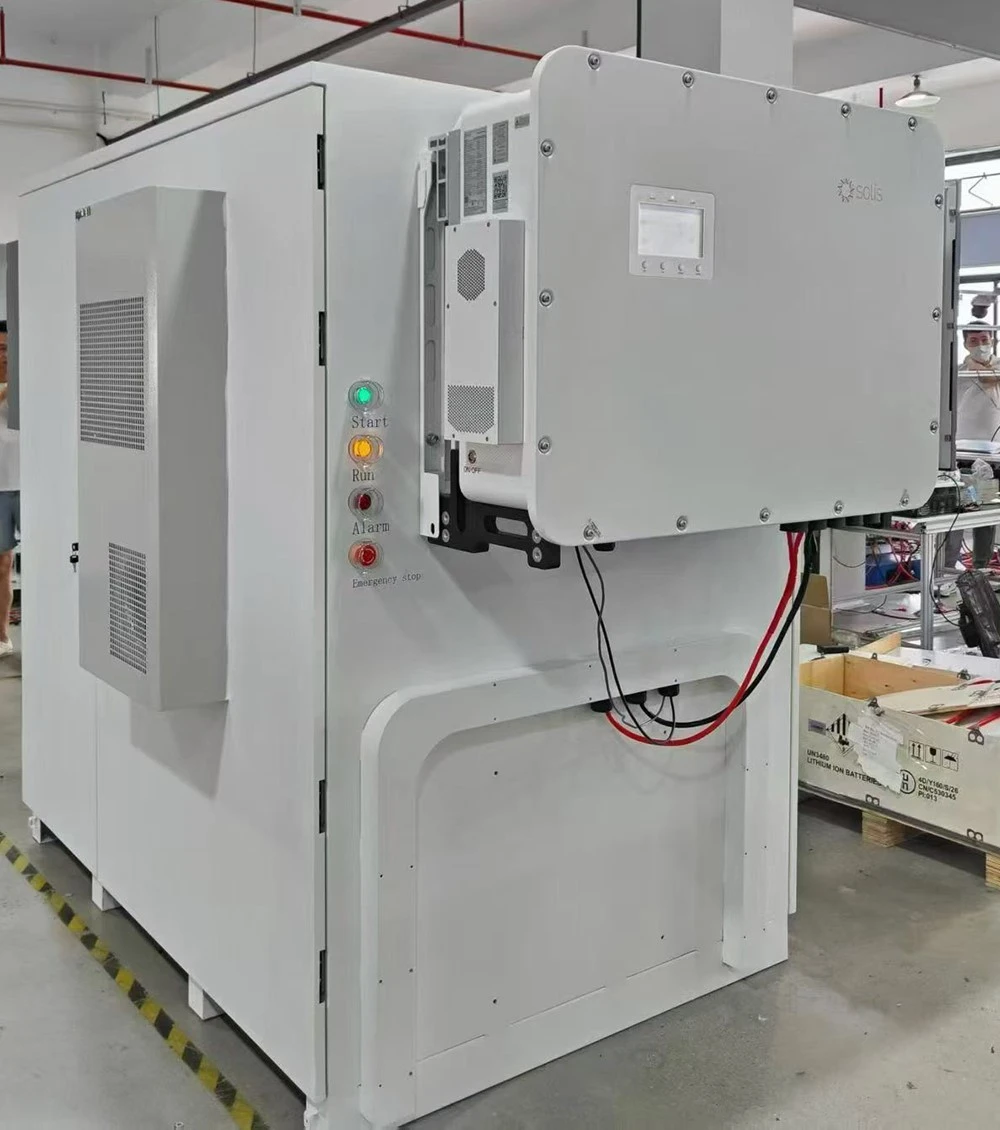
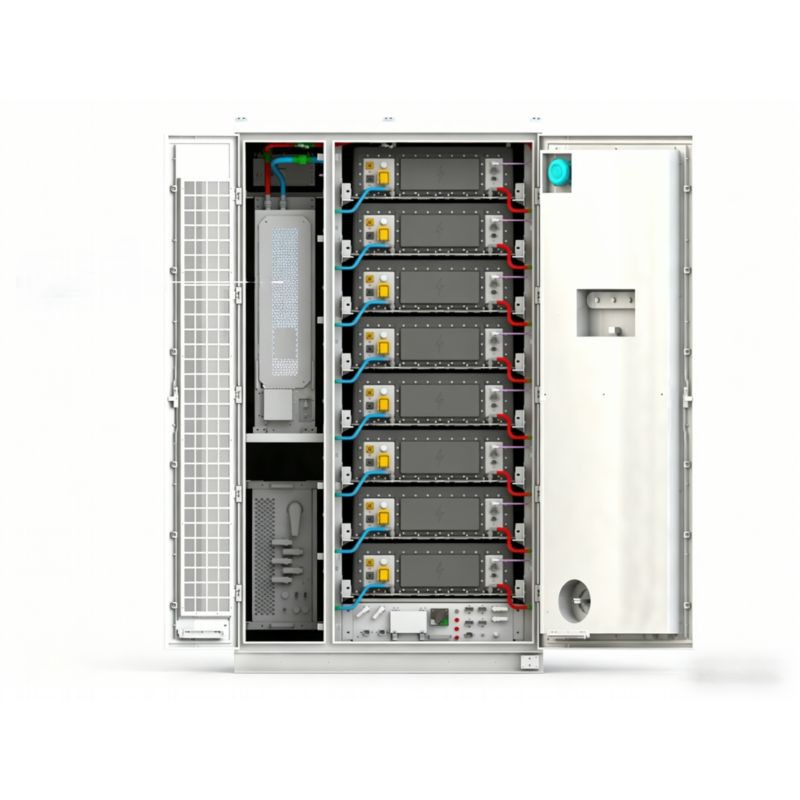
- 261kWh LFP battery system with liquid cooling, electrical protection, fire safety interfaces and system controls.
- 1P260S configuration using 3.2V/314Ah LFP cells.
- 728–923V DC operating range, with a nominal voltage of approximately 832V.
- 125kW rated AC output when equipped with the optional inverter.
- Supports up to 250kWp PV input, with 10 MPPT channels and 20 input strings.
- Provides approximately two hours of storage at nameplate power. Actual duration varies with operating conditions and system settings.
- Compact outdoor design with a 1000 × 1340mm footprint, excluding the optional inverter.
Engineering Features
Liquid-Cooled Thermal Management
Efficient liquid cooling supports stable battery temperatures and reliable operation from −30°C to +55°C, with derating above 45°C.
Multi-Layer Safety Protection
Temperature and smoke detection, aerosol protection, electrical isolation and water fire protection provide coordinated system safety.
Fast Grid/Off-Grid Switching
The optional inverter supports switching in under 10ms for properly designed grid-tied and backup applications.
Optional PV Integration
Supports up to 250kWp PV input, ten MPPT channels and a 150–950V MPPT operating range.
Outdoor Cabinet Design
The IP55 battery compartment supports outdoor deployment when foundation, drainage and installation clearances are properly designed.
Simplified Maintenance
Compact integration and durable key components help reduce routine maintenance and simplify system servicingn.
Typical Application Scenarios
Peak shaving and demand control
The 125kW power rating can be used to reduce facility peaks when dispatch is based on validated interval-load data, tariff rules and an approved recharge strategy. The 261kWh battery provides enough nameplate energy for sustained rather than momentary control, but final savings must account for losses, degradation, auxiliary loads and the width of each peak.
Solar self-consumption and time-of-use shifting
With the optional PV interface, surplus daytime generation can charge the battery for later facility use. Project modeling should coordinate PV production, load profile, battery headroom, export limits, SOC reserve and tariff windows rather than sizing from PV nameplate alone.
Commercial and industrial microgrids
Factories, warehouses, campuses, logistics sites, EV-charging hubs and remote facilities can use the cabinet as a modular storage building block. Integration responsibilities for generators, PV, grid interface, plant controller and protected loads must be documented before procurement.
Qualified backup and resilience
The sub-10ms switching specification is relevant to configured grid/off-grid operation, but it is not by itself a guarantee of uninterrupted power for every load. Confirm critical-load power, motor starting, autonomy, fault current, transfer logic, grounding, black start and restart sequence.
Technical Specifications
Knowledge Resources and Related Products
Use the following SINELINK knowledge articles to move from product data to a defensible project specification:
- Commercial & Industrial BESS Guide - use cases, architecture, procurement and project workflow.
- How to Size a Battery Energy Storage System - power, energy, duration, losses and degradation.
- BESS Safety Guide - thermal runaway, layered protection, evidence and emergency planning.
- Solar Plus Storage Guide - coordinate PV, load, battery headroom and grid interface.
- BESS Components Explained - BMS, PCS, EMS, thermal management and balance-of-system interfaces.
Compare alternative SINELINK platforms when the project requires a different capacity, cooling method or deployment scale:
 100kWh Outdoor Battery CabinetFor smaller commercial projects and more compact storage requirements. 215kWh Outdoor Battery CabinetAn air-cooled alternative for moderate-duty outdoor C&I storage.
  Containerized Battery Energy Storage SystemFor larger capacity, scalable project architecture and centralized deployment.
  Grid-Connected Battery StorageFor projects that require broader grid-support and controls integration.
FAQ
Q: Is the inverter included as standard?
No. The source specification identifies the inverter as optional. Confirm whether the quoted configuration includes the inverter/PCS and whether the listed AC and PV parameters apply.
Q: What is the nominal battery voltage?
The 1P260S configuration using 3.2V cells corresponds to approximately 832V nominal. The documented battery operating range is 728–923V DC.
Q: Is this a two-hour energy storage system?
At nameplate values, 261kWh divided by 125kW is approximately 2.09 hours. Real usable duration depends on SOC limits, conversion efficiency, auxiliaries, temperature, aging and reserve settings.
Q: Can it operate outdoors?
The battery compartment is rated IP55 and the product is described as an outdoor cabinet. The site design must still address foundation, drainage, access, clearances, flooding, corrosion, cable entry and local installation rules.
Q: Does the sub-10ms transfer time guarantee UPS performance?
No. Transfer time is one parameter. Critical-load continuity also depends on inverter mode, protected-load architecture, starting current, grounding, fault behavior, controls and available SOC.
Q: What information is needed for a quotation?
Provide interval load and PV data, target operating modes, grid voltage and frequency, critical loads, site temperature and altitude, installation layout, required standards, communications, scope boundary, delivery location and commissioning requirements.
Configure Energy Storage Cabinets for Your Site
Send the load profile, PV data, grid conditions, operating priorities, site environment, required standards and scope boundary. SINELINK can support preliminary configuration, interface review and quotation preparation.
Technical Specifications
All data are for reference only and may change without prior notice. Confirm the final project datasheet, drawings and quotation before approval.


