Product Overview
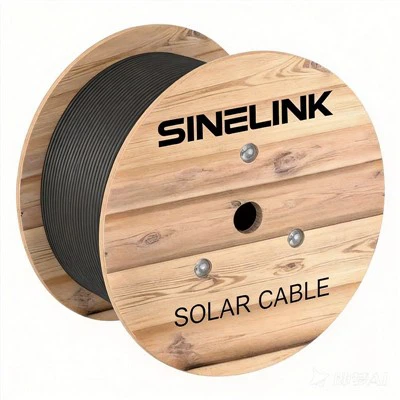
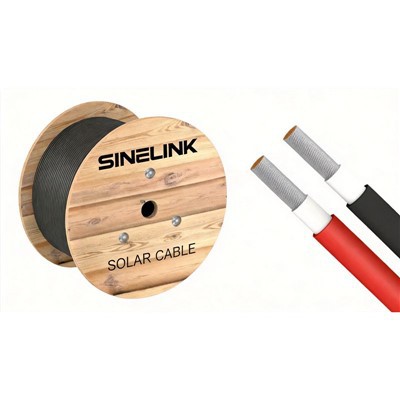
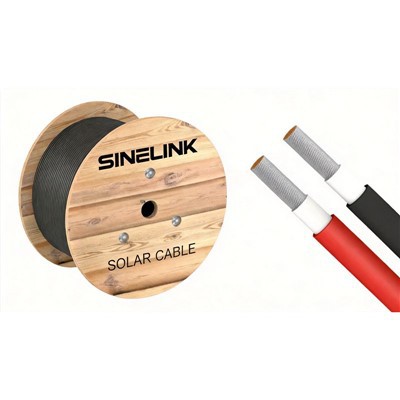
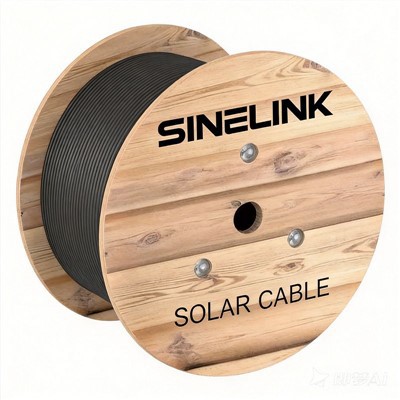
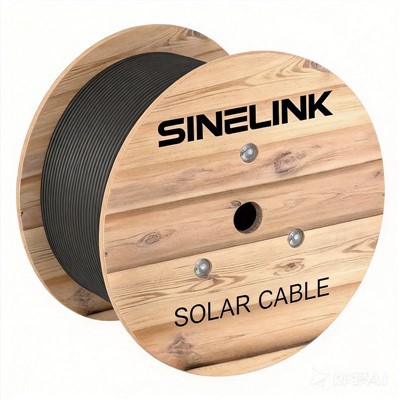
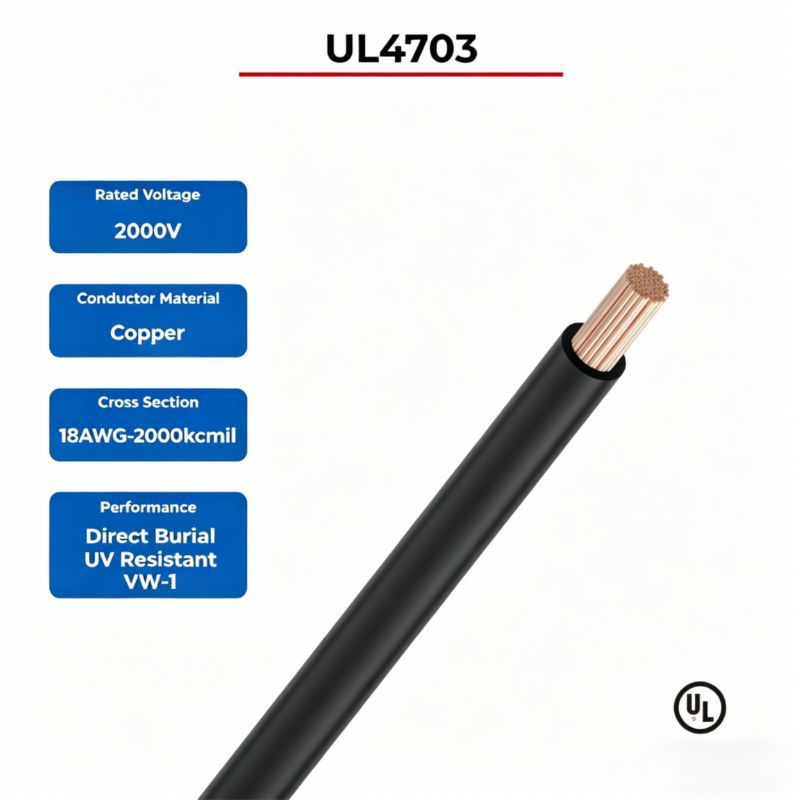
Direct Burial PV Wire is a photovoltaic conductor specifically listed for installation directly in the ground without requiring additional conduit protection. Standard PV wire is rated for outdoor exposure and sunlight resistance, but it is not designed to survive continuous contact with soil, moisture, and the mechanical stresses of underground installation. Direct burial wire is.
The difference is in the insulation system. Direct burial PV wire uses a thicker, more robust jacket compound that resists moisture absorption, soil chemicals, root intrusion, and the abrasion that occurs when cable is pulled through a trench or laid against rock and gravel. For ground-mounted solar farms, outdoor energy storage sites, and any PV project that routes DC cable underground, this is the wire that eliminates the cost and labor of installing conduit for every buried run.
Specifications
|
Parameter |
Specification |
|
Conductor |
Stranded tinned copper |
|
Available Gauges |
14 AWG through 4/0 AWG |
|
Voltage Rating |
600V/1000V/2000V DC |
|
Insulation |
Cross-linked polyethylene, enhanced moisture resistance |
|
Temperature Rating |
90°C wet, 150°C dry |
|
Sunlight Resistance |
Sunlight resistant |
|
Direct Burial |
Listed for direct burial without conduit |
|
Moisture Resistance |
Rated for continuous wet conditions |
|
Jacket |
Heavy-duty XLPE with enhanced abrasion resistance |
|
Listing |
UL 4703 with direct burial rating |
|
NEC Use |
PV source and output circuits, underground installation |
|
Color |
Black, red, or custom |
What Makes Direct Burial Different
Every PV wire is designed for outdoor use. But "outdoor" and "underground" are very different environments. Above ground, the main threats are UV radiation, temperature cycling, and occasional moisture. Underground, the cable faces:
- Continuous moisture contact-not just rain, but soil moisture that surrounds the cable permanently
- Soil chemistry-alkaline or acidic soils that can degrade standard insulation compounds over time
- Mechanical stress-rocks, gravel, settling soil, and the forces applied during trench backfill
- Root intrusion-plant roots that can press against or grow around buried cable
Direct burial PV wire addresses all of these with a heavier insulation wall, moisture-resistant compound formulation, and enhanced mechanical toughness. The result is a cable that can be laid directly in a trench, backfilled, and left to operate for decades without the protection of conduit.
Core Uses
Underground Trench Routing
The primary application. In ground-mounted solar farms, DC cable often runs underground between array rows, from field combiner boxes to inverter pads, and from the array field to the point of interconnection. Direct burial wire handles these runs without conduit, reducing material cost and installation time.
Ground-Mounted Array Field Wiring
In large ground-mounted systems, the cable path between tracker rows or fixed-tilt array sections often goes underground to keep the site clean and protect cable from mowing equipment, vehicle traffic, and weather exposure. Direct burial wire is purpose-built for this routing method.
Outdoor Energy Storage DC Circuits
Battery storage systems installed outdoors sometimes route DC cable underground between the storage enclosure and the inverter or grid connection point. Direct burial wire provides a clean, protected cable path without the added cost of trenching for conduit.
Application Scenarios
Solar Farm Field Wiring
In utility-scale and commercial ground-mounted solar farms, hundreds or thousands of meters of DC cable run underground between equipment locations. Direct burial PV wire eliminates the need for conduit on these runs, saving significant material and labor cost. The wire is trenched, laid, and backfilled - a faster and simpler process than pulling wire through buried conduit.
Residential Ground-Mounted Arrays
When a residential solar array is ground-mounted in the yard rather than on the roof, the DC cable typically runs underground from the array to the house. Direct burial wire makes this a straightforward trench-and-backfill job instead of a conduit installation, simplifying the project for residential installers.
Carport and Canopy Solar Systems
Solar carports and shade canopy structures often need to route DC cable underground between the canopy structure and the building electrical room. Direct burial wire provides a clean underground path that keeps cable out of sight and protected from vehicle traffic and weather.
Selection Guide
Use Direct Burial PV Wire whenever the cable route goes underground and the project design does not include conduit for that section. It is the correct choice when:
- DC cable must be trenched directly into the ground
- The project wants to avoid the cost and labor of buried conduit
- The cable will be in continuous contact with soil moisture
- Site conditions include rocky soil, high water table, or aggressive soil chemistry
If the cable runs above ground such as on rooftops, in cable trays, or in surface-mounted conduit, standard PV wire is enough and more cost-effective.
Installation Guidance
While direct burial PV wire does not require conduit, proper installation practices still apply:
- Trench depth should meet NEC Table 300.5 requirements for the voltage and installation type, typically 18 to 24 inches for direct-buried PV cable
- A layer of sand or fine soil at the bottom and top of the trench protects the cable from sharp rocks during backfill
- Warning tape or marking tape placed above the cable in the trench helps prevent accidental dig-in during future site work
- Where the cable transitions from underground to above-ground, a short section of conduit or bushing protects the cable at the exit point
- Cable slack should be left at each end to accommodate settling and thermal movement
Hot Tags: direct burial pv wire, China direct burial pv wire manufacturers, suppliers, factory