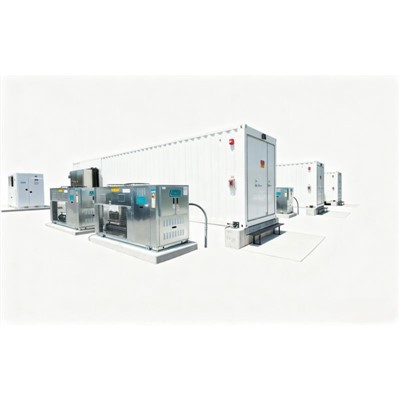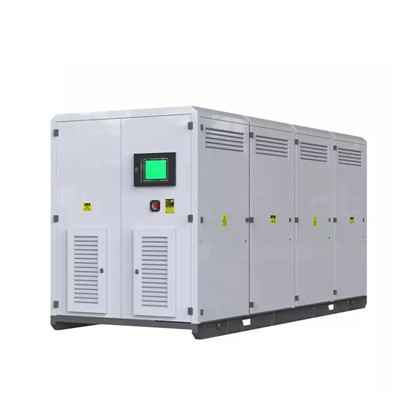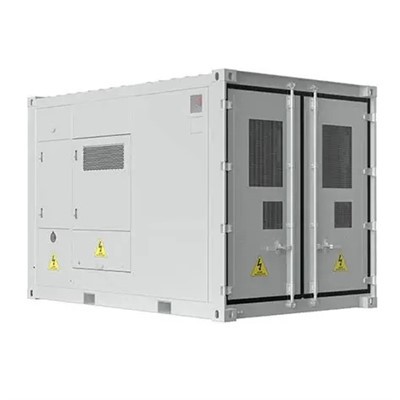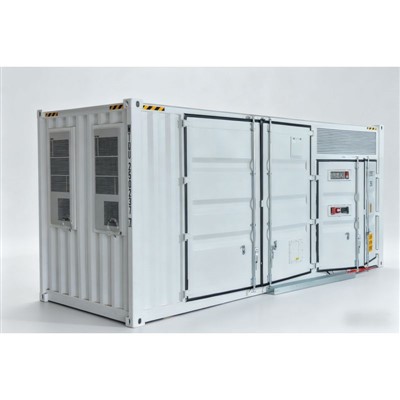
Product Overview
The Peak Shaving Battery System is engineered to reduce electricity costs by storing energy during off-peak hours and discharging it during demand peaks. Unlike generic storage solutions, this system is purpose-built around demand charge reduction, the single largest controllable line item on most commercial and industrial electricity bills. It integrates an intelligent energy management system (EMS) that continuously monitors facility load profiles, predicts peak windows, and autonomously manages charge/discharge cycles to flatten demand curves without any manual intervention.
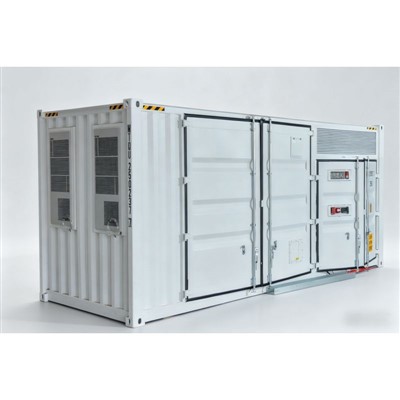
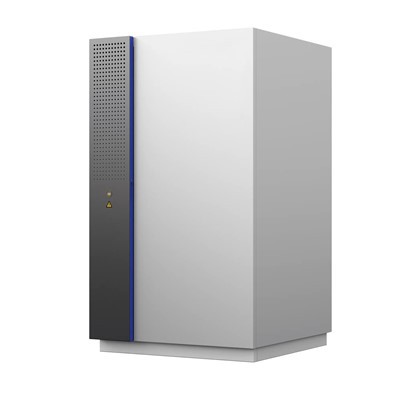
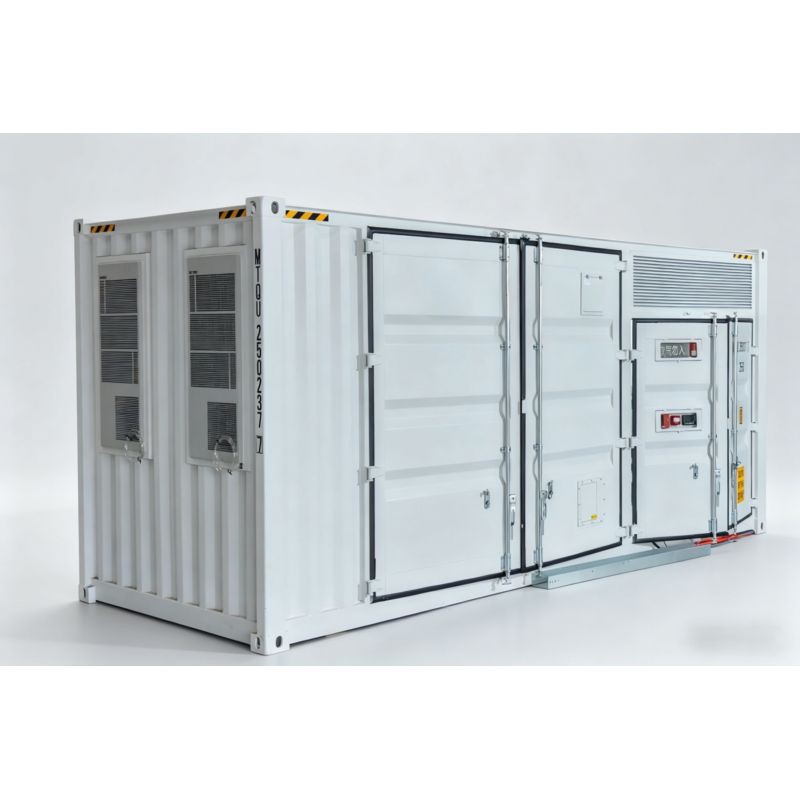
Available in modular configurations from 100 kWh to 5 MWh, the system scales with your facility's load growth. Each unit ships factory-tested and pre-commissioned, ready for rapid deployment with minimal on-site engineering.
Why Peak Shaving Matters
Demand charges can account for 30-70% of a commercial electricity bill, yet they are determined by just a few minutes of peak consumption each month. A well-sized peak shaving system pays for itself by trimming those spikes, often delivering ROI within 3-5 years depending on local tariff structures. Beyond direct savings, consistent load profiles also reduce transformer stress and extend the service life of upstream electrical infrastructure.
Technical Specifications
|
Parameter |
Specification |
|
Battery Chemistry |
LFP (LiFePO₄) |
|
Usable Capacity |
100 kWh/215 kWh/500 kWh/1 MWh/2 MWh (modular) |
|
Rated Power |
50kW-1,000kW |
|
Round-Trip Efficiency |
≥ 93.5% |
|
DC Voltage Range |
614V-1,000V |
|
Cycle Life |
≥ 6,000 cycles @ 90% DoD |
|
Operating Temperature |
-20 °C to +55 °C |
|
Cooling |
Forced air/optional liquid cooling |
|
Communication |
Modbus TCP/RTU, CAN 2.0B, RS485, optional 4G/Wi-Fi |
|
EMS Features |
Load prediction, TOU arbitrage, demand threshold control, cloud monitoring |
|
Protection Rating |
IP55 (outdoor) / IP20 (indoor) |
|
Certifications |
IEC 62619, UL 9540A, UN 38.3, CE |
|
Design Life |
15 years |
|
Dimensions (per 215 kWh unit) |
1,300*800*2,000 mm |
|
Weight (per 215 kWh unit) |
≈ 2,100 kg |
Core Applications
Demand Charge Reduction
The primary use case. The EMS learns your facility's load signature over the first billing cycle and begins optimizing discharge timing to shave monthly demand peaks. Typical demand charge reductions range from 15% to 40%.
Time-of-Use (TOU) Arbitrage
Where TOU tariffs apply, the system charges during low-rate windows and discharges during high-rate periods, stacking energy arbitrage savings on top of demand charge reduction.
Power Factor & Grid Fee Optimization
Coordinated with on-site reactive power compensation, the system helps maintain power factor above utility penalty thresholds, avoiding surcharges that erode savings.
Typical Application Scenarios
Manufacturing Plant with Intermittent Heavy Loads
A steel fabrication facility runs CNC plasma cutters and induction furnaces that create sharp 15-minute demand spikes of 800kW above baseline. A 500kWh/250kW peak shaving system absorbs these transients, capping billed demand at the baseline level.
Cold Storage & Refrigerated Warehouse
Compressor banks in a 20,000 m² cold storage facility cycle simultaneously during defrost recovery, pushing demand from 300 kW to over 600 kW for 20-30 minutes. A 215kWh system smooths these recovery peaks. Because the load pattern is highly predictable, the EMS achieves near-optimal shaving from day one with minimal learning time.
Commercial Office Complex with EV Charging
A Class A office tower added 40 Level 2 EV chargers in its parking garage, increasing afternoon peak demand by 35%. Rather than upgrading the utility transformer ,the building operator installed a 1MWh peak shaving system behind the existing meter. The battery absorbs EV charging load during peak hours and recharges overnight, deferring the transformer upgrade indefinitely.
Textile Mill with Seasonal Production Swings
A textile manufacturer experiences demand peaks during high-season production runs that are 2.5* the off-season baseline. Without peak shaving, the annual demand charge is set by just a few winter months. A modular 2MWh system deploys additional capacity only during peak season, then scales back , matching storage investment to actual savings potential.
Quick Sizing Guide
Proper sizing depends on three inputs: your facility's 15-minute interval load data (ideally 12 months), your utility's demand charge rate (/kW), and your target demand cap. As a rule of thumb:
|
Monthly Peak Demand Spike |
Recommended System Size |
Typical Payback |
|
< 200kW above baseline |
100-215kWh/100kW |
4-6 years |
|
200–500kW above baseline |
215-500 kWh/250kW |
3-5 years |
|
500–1,000kW above baseline |
1-2 MWh/500kW |
3-4 years |
|
> 1,000kW above baseline |
Multi-unit parallel, custom sizing |
Contact us |
Send us your interval data and utility bill, and our engineering team will provide a detailed savings analysis with projected ROI.
Installation & Commissioning
Each system arrives as a self-contained, factory-tested unit. Typical installation requires a level concrete pad (outdoor) or suitable floor space (indoor), AC connection to the main distribution panel, and a communication link to the facility's metering point. On-site commissioning, including EMS configuration, load profile import, and protection relay coordination, is completed within 1-2 days by our field engineers or certified local partners.
We provide full commissioning documentation, single-line diagrams, and integration support for existing BMS/SCADA systems.
Standards & Compliance
IEC 62619 (Secondary lithium cells – Safety) · UL 9540A (Thermal runaway fire propagation) · UN 38.3 (Transport of lithium batteries) · IEC 61000-6-2/6-4 (EMC) · CE marking · Grid code compliance available for major markets (EU, US, AU, ME).
Hot Tags: peak shaving battery system, China peak shaving battery system manufacturers, suppliers, factory