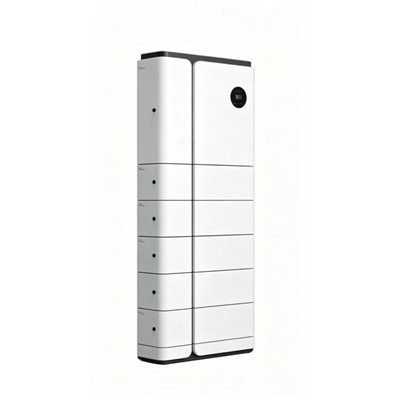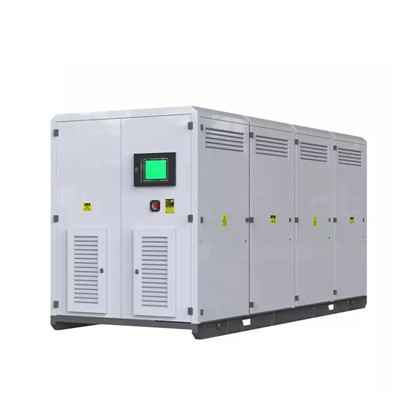
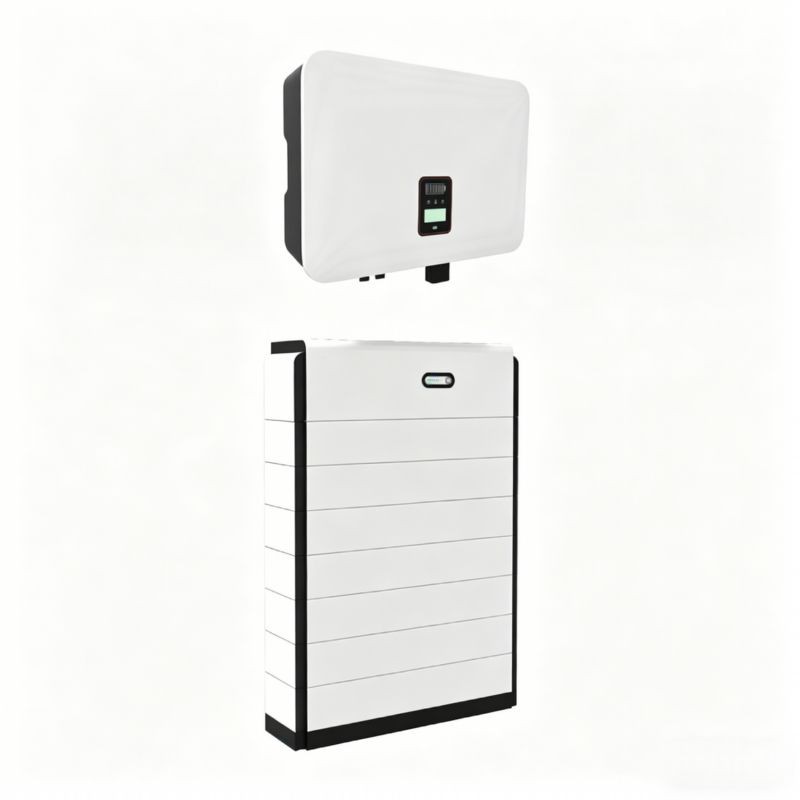
Product Overview
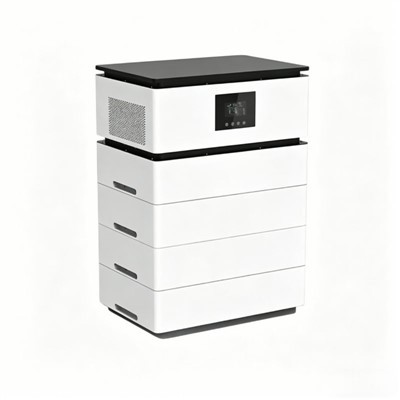
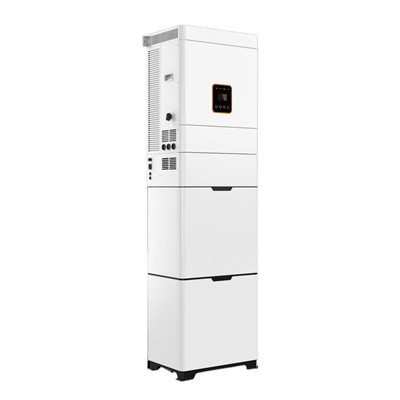
North American homes are not served by the same electrical architecture as many other markets. High-power appliances such as HVAC systems, dryers, ovens, and well pumps typically require split-phase 120/240V output. That is exactly where a Split Phase Home Energy Storage System becomes essential.
Unlike generic residential storage systems adapted from single-phase platforms, a true split-phase ESS is built around the realities of North American load profiles, backup panel requirements, and appliance startup behavior.
Technical Specifications
|
Parameter |
Value |
|
Output Type |
120/240V split phase |
|
Battery Capacity |
10 kWh/15 kWh/20 kWh/30 kWh |
|
Inverter Power |
8 kW/10 kW/12 kW |
|
Surge Capacity |
2× rated power for motor starting |
|
Grid Type |
North American residential split-phase |
|
PV Input |
Up to 18 kW |
|
Generator Integration |
Supported |
|
Backup Transfer |
Automatic |
|
Communication |
Wi-Fi/CAN/RS485 |
|
Battery Chemistry |
LiFePO4 |
|
Operating Temperature |
-20°C to 55°C |
|
Compliance |
UL/NEC-aligned design, certification by model |
Core Uses
Whole-Home or Partial-Home Backup - Support both 120V branch circuits and 240V essential appliances during outages.
Load Management for Electrified Homes - Coordinate storage with HVAC, EV charging, and time-of-use tariffs.
Generator Optimization - Use the battery as a silent first-response backup and reserve generator runtime for extended blackouts.
Detailed Application Scenarios
Homes with Central Air Conditioning
A standard single-phase backup unit may keep lights and outlets alive while leaving the air conditioner offline. In hot states, that is not enough. Split-phase ESS can support 240V HVAC loads, especially when paired with soft-start devices and correct load prioritization.
Rural Homes with Well Pumps
For homes outside municipal water systems, backup power is about more than comfort. It is about maintaining water access. A split-phase system can start and run well pumps that many lower-voltage backup products simply cannot handle.
Homes with Electric Dryers and Kitchen Loads
When a household is heavily electrified, backup planning must reflect real appliance use. Split-phase storage supports more normal daily living during outages, rather than reducing the house to a few survival circuits.
Selection Guide
● 10–15 kWh systems suit partial-home backup with priority loads.
● 20–30 kWh systems are better for homes wanting stronger HVAC support or longer outage autonomy.
● Check locked-rotor current or surge demand for well pumps and condensers before final sizing.
Standards & Compliance
System design follows North American installation logic, including split-phase service requirements and backup sub-panel integration principles. Certification scope differs by model and target market; project-specific compliance files are available upon request.
Hot Tags: split phase home energy storage system, China split phase home energy storage system manufacturers, suppliers, factory