Product Overview
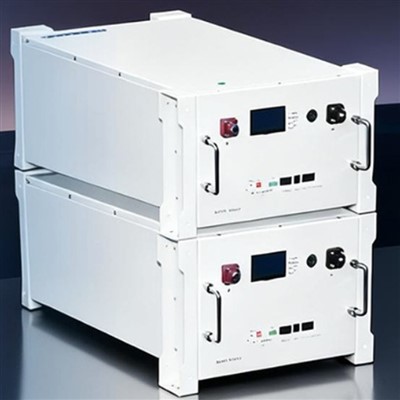
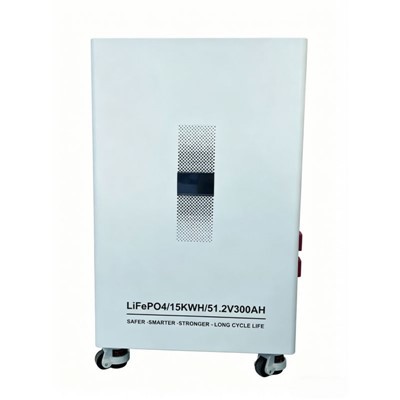
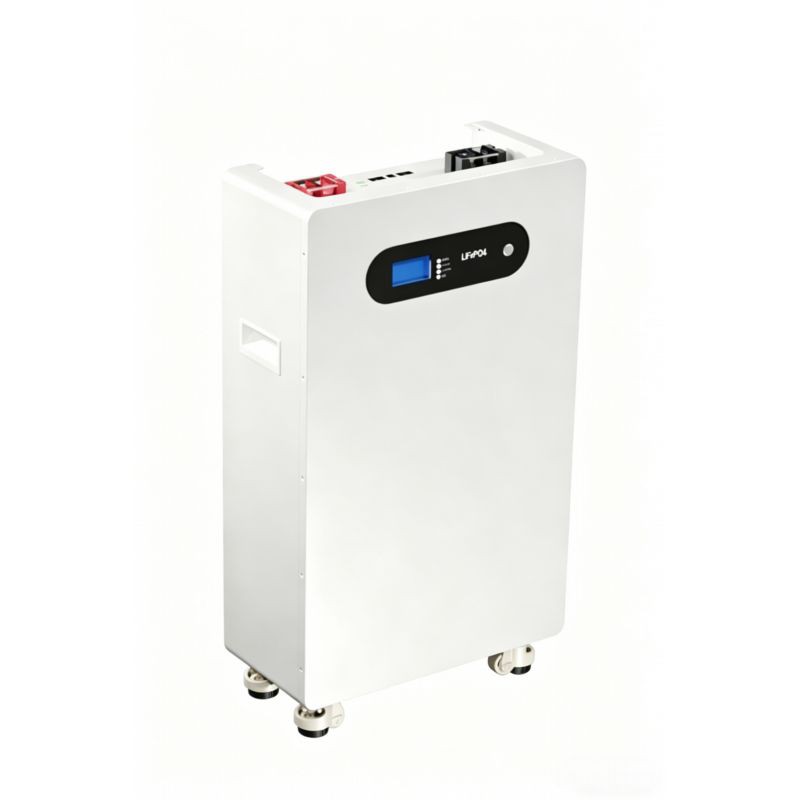
Not every home has a garage or utility room with spare floor space. The Wall Mounted Home Battery was engineered for exactly that constraint, a slim, vertically oriented LiFePO4 module that bolts directly to interior or exterior walls, keeping valuable floor area free while delivering reliable backup and solar self-consumption around the clock. The integrated BMS communicates natively with most hybrid inverters over CAN or RS485.
Why Wall-Mounted?
Floor-standing batteries dominate the residential market, but they aren't always practical. Apartments, townhouses, laundry rooms, and narrow corridors benefit from vertical placement. Mounting the battery on the wall also keeps it above potential flood lines and away from pets or small children, a detail that matters more than spec sheets suggest.
The included mounting bracket distributes load evenly across standard masonry or timber-framed walls. A two-person installation typically takes under 90 minutes from unboxing to commissioning.
Technical Specifications
|
Parameter |
Value |
|
Battery Chemistry |
LiFePO4 (Lithium Iron Phosphate) |
|
Nominal Capacity |
5.12 kWh/10.24 kWh/15.36 kWh |
|
Nominal Voltage |
51.2V |
|
Usable Energy |
≥95% DoD |
|
Max. Continuous Charge/Discharge Current |
50A/100A |
|
Round-trip Efficiency |
≥96% |
|
Cycle Life |
≥6,000 cycles @ 80% DoD |
|
Communication |
CAN / RS485 |
|
Operating Temperature |
-10°C to 50°C |
|
Protection Rating |
IP65 |
|
Mounting |
Wall-mounted bracket |
|
Dimensions (per module) |
1000 × 400 × 180 mm |
|
Weight (per module) |
~100 kg |
|
Certifications |
IEC 62619, UN38.3, CE, UL 9540A |
|
Warranty |
5 years/6,000 cycles |
Core Functions
Solar Self-Consumption Optimization - Store daytime PV surplus and discharge it during evening peak hours. Typical self-consumption rates jump from 30–40% to over 80% with properly sized wall batteries.
Backup Power - Seamless switchover during grid outages. The battery maintains critical loads such as lighting, refrigeration, internet routers, medical devices, until the grid returns or solar generation resumes.
Time-of-Use Arbitrage - In markets with tiered electricity pricing, charge during off-peak windows and discharge when rates spike. The savings compound month over month.
Peak Shaving - Reduce demand charges by capping grid draw during high-consumption periods. Particularly relevant for homes with EV chargers or heat pumps.
Application Scenarios
Urban Apartments & Townhouses
Space is the primary constraint. A wall-mounted unit on a balcony wall or inside a utility cupboard delivers meaningful backup without sacrificing living area. In a typical 80 m² apartment with a 3 kWp balcony PV system, a single 5.12 kWh unit covers overnight loads such as LED lighting, Wi-Fi router, phone charging, and a small refrigerator.
Suburban Homes with Rooftop Solar
The classic use case. A family of four with a 6–8 kWp rooftop array generates more power than it consumes during midday. The wall-mounted modules absorb that surplus and feed it back through the evening cooking-and-entertainment peak. Grid export drops, electricity bills shrink, and the household becomes noticeably more resilient during summer storm outages.
Vacation Rentals & Airbnb Properties
Property managers want reliable power without bulky equipment guests might tamper with. A wall-mounted battery installed in a locked utility area or exterior wall keeps the property running during brief outages, no spoiled food in the fridge, no reset security cameras. The slim profile also avoids the industrial look that floor-standing cabinets can bring.
Home Office or Remote Work Setups
A power interruption during a video call or while saving a large file is more than an inconvenience, it's a professional risk. Even a single 5.12 kWh module provides 4–6 hours of uninterrupted power for a workstation, monitor, router, and desk lamp, bridging the gap until grid power returns.
Quick Sizing Guide
Choosing the right capacity depends on three things: your daily energy consumption pattern, the size of your PV system, and how much backup autonomy you want.
- Light usage (1–2 person household, no EV): 5.12 kWh module is usually sufficient.
- Medium usage (3–4 person household, moderate appliances): 10.24 kWh modules cover most evening-to-morning cycles.
- Heavy usage or extended backup needs:15.36 kWh modules. Consider this if you run a heat pump, EV charger, or need 12 hours of backup.
A simple rule of thumb: check your electricity bill for average daily consumption in kWh, then size the battery to cover 50–70% of that figure for self-consumption, or 100%+ if uninterrupted backup is the priority.
Installation Notes
- Wall material: Reinforced concrete or solid masonry preferred. Timber-frame walls require toggle bolts rated for the unit weight.
- Clearance: Maintain at least 100 mm clearance on all sides for ventilation and cable routing.
- Height: Mount the bottom edge at least 300 mm above floor level. For outdoor installations, 500 mm minimum to stay above typical splash zones.
- Orientation: Vertical only. Horizontal mounting is not supported and voids the warranty.
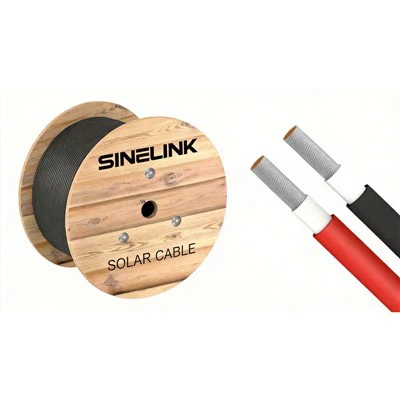
- Wiring: Use the supplied DC cables and connectors. Third-party cables must meet the same gauge and insulation rating.
Compliance & Certifications
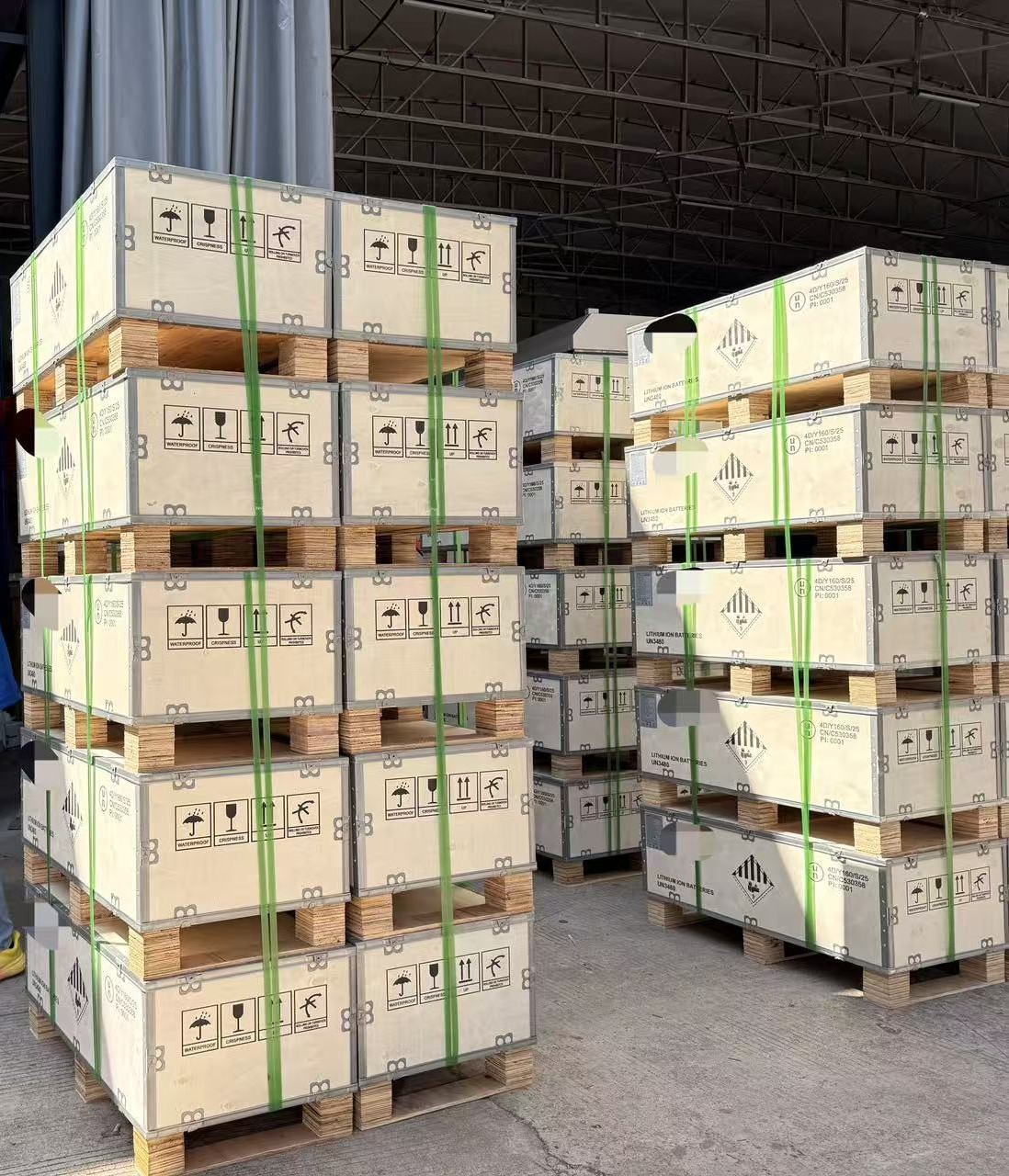
All units ship with IEC 62619 cell-level and pack-level safety certification, UN38.3 transport certification, and CE marking for the European market. UL 9540A fire safety testing is in progress for North American deployments. Country-specific certifications (e.g., VDE, TÜV, CEC) are available on request.
Hot Tags: wall mounted home battery, China wall mounted home battery manufacturers, suppliers, factory