Product Overview
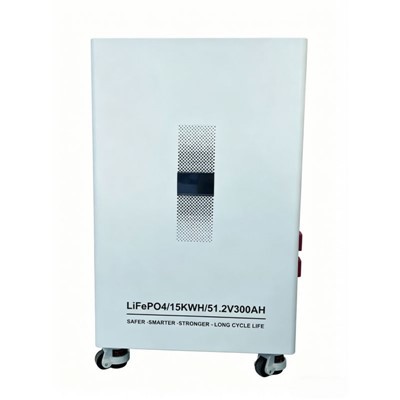
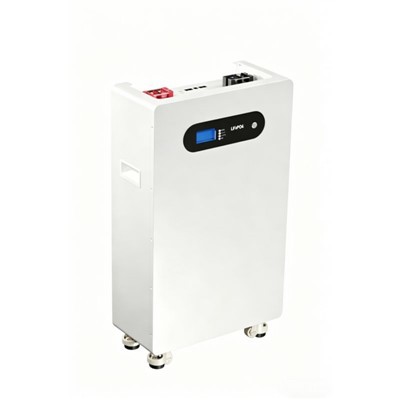
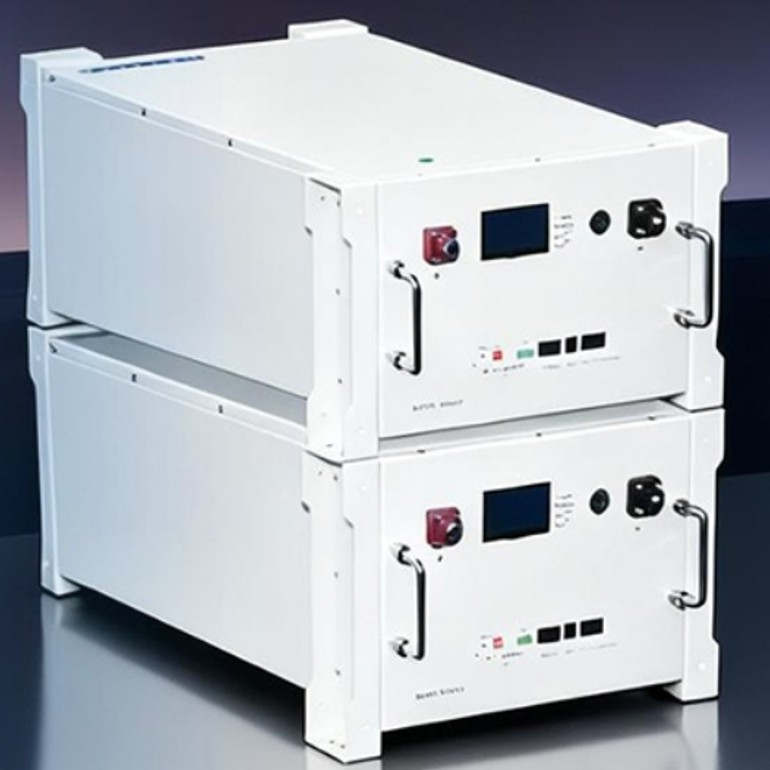
Energy demand rarely stays fixed. A couple becomes a family, a gasoline car becomes an EV, and a modest solar array often turns into a larger one a year later. The Stackable Home Battery is designed for that reality. Instead of forcing homeowners to commit to a large cabinet on day one, it starts with a compact base module and expands vertically as storage needs increase.
Each module is engineered to mechanically lock and electrically connect with the next, reducing installation complexity while keeping the final footprint tidy. It is the practical choice for distributors and EPCs serving customers who want room to scale without replacing the entire battery system later.
Technical Specifications
|
Parameter |
Value |
|
Battery Chemistry |
LiFePO4 |
|
Module Capacity |
5.12 kWh per module |
|
Expandable Capacity |
5.12 kWh to 25.6 kWh |
|
Nominal Voltage |
51.2V |
|
Max Modules in Parallel Stack |
Up to 5 modules per tower |
|
DoD |
95% |
|
Cycle Life |
>6,000 cycles |
|
Communication |
CAN/RS485 |
|
Ingress Protection |
IP54/IP65 optional |
|
Operating Altitude |
<2,000 m |
|
Installation |
Floor-standing, stackable |
|
Warranty |
10 years |
What Makes It Different
Scalability Without Waste - Install only the capacity the homeowner needs today, then add modules later without scrapping the original system.
Consistent Aesthetics - The stack remains visually clean as it grows. No patchwork look, no improvised external cabling, no awkward battery mix.
Service Simplicity - Individual modules can be replaced or upgraded more easily than monolithic cabinets, reducing service time and inventory burden.
Typical Application Scenarios
Homes Planning for Future EV Charging
A homeowner may not need 20+ kWh today, but if an EV charger is part of the near-term plan, future demand is already visible. Starting with a 10.24 kWh stack and adding another 5.12–10.24 kWh later is financially cleaner than oversizing from the outset.
Solar Retrofit Projects
For houses that already have grid-tied PV, stackable batteries provide a phased storage upgrade path. Installers can begin with a small stack to capture excess daytime generation, then expand after the owner sees actual bill savings and understands the value of storage.
Dealer Stock Programs
From a channel perspective, modular batteries reduce SKU fragmentation. Dealers can carry one standardized module and assemble systems in different capacities based on the project. That means easier forecasting, simpler warehousing, and fewer dead-stock risks.
Selection Guide
- 1–2 bedroom home with standard evening load: 2 modules (10.24 kWh).
- Family home with air conditioning and stronger night usage: 3–4 modules (15.36–20.48 kWh).
- Household with EV charging or long outage backup target: 4–5 modules (20.48–25.6 kWh).
If load growth is expected within 12–24 months, stackable architecture is usually a better commercial decision than buying an oversized fixed-capacity battery immediately.
Packaging & Transport
Modules are packed individually with reinforced corner protection and anti-vibration foam inserts. This lowers handling risk compared with one-piece high-capacity units and makes site delivery easier in residential neighborhoods with narrow access.
Hot Tags: stackable home battery, China stackable home battery manufacturers, suppliers, factory