Product Overview
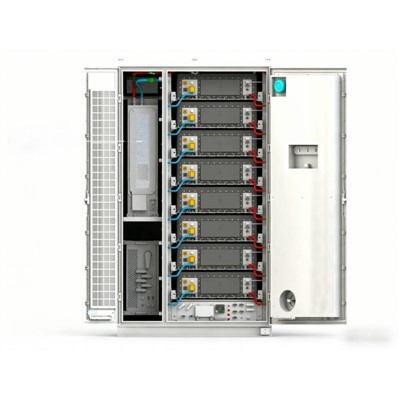
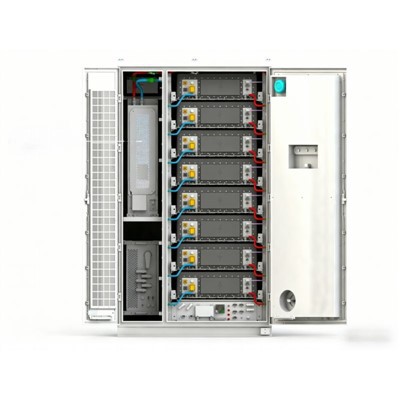
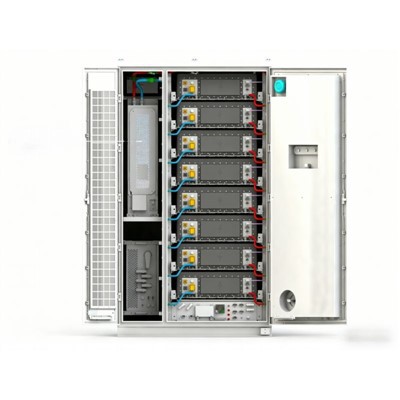
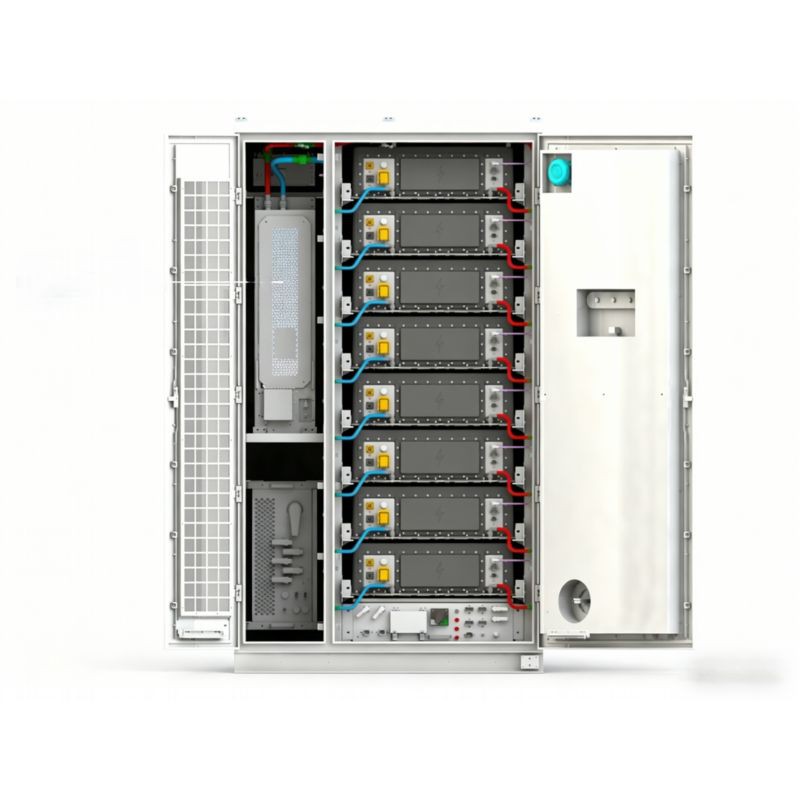
The 261kWh Liquid Cooled Battery Cabinet is developed for higher-performance commercial and industrial energy storage projects where thermal stability, cycle consistency, and compact energy density matter as much as nominal capacity. Its liquid cooling architecture maintains tighter cell temperature uniformity than conventional air-cooled systems, which supports better battery life, improved round-trip efficiency under demanding dispatch conditions, and more reliable output in hot climates.
This model is particularly effective for projects with frequent charge-discharge cycling, aggressive peak shaving strategies, or constrained installation areas where operators need more energy in a tighter footprint. The cabinet integrates battery modules, liquid thermal management, fire protection, BMS, and control interfaces into a single weather-protected outdoor enclosure.
Performance Data
|
Parameter |
Value |
|
Nominal Energy Capacity |
261 kWh |
|
Usable Energy (DoD 95%) |
247.95 kWh |
|
Battery Chemistry |
LiFePO4 |
|
Nominal Voltage |
832 V DC |
|
Recommended PCS Range |
125–150 kW |
|
Cooling Type |
Closed-loop liquid cooling |
|
Cell Temperature Difference |
≤ 3°C |
|
Round-Trip Efficiency |
≥ 96% |
|
Cycle Life |
≥ 8,000 cycles @ 95% DoD |
|
Operating Temperature |
-30°C to +55°C |
|
Ingress Protection |
IP55/IP67 |
|
Fire Safety |
Gas detection AND thermal runaway suppression |
|
Noise Level |
< 70 dB |
|
Communication Interfaces |
Ethernet/CAN/RS485 |
|
Dimensions (W × D × H) |
1,350×1,350×2,250 mm |
|
Weight |
≈ 2,650 kg |
|
Standards |
IEC 62619, IEC 62933, UN38.3, CE |
Why Liquid Cooling Changes the Equation
More Stable Cell Temperatures
Air-cooled cabinets can develop temperature gradients between upper and lower racks or between cells exposed to different airflow paths. Liquid cooling minimizes that variation, which helps preserve cell consistency over long operating periods.
Better Fit for High-Cycle Projects
Projects that dispatch every day for solar shifting and multiple times per day for demand control place heavy stress on thermal management. A liquid-cooled cabinet supports this duty cycle more gracefully, especially in regions with long summers or limited nighttime cooling.
Higher Energy Density in Limited Space
Because thermal regulation is more efficient, more energy can be integrated into a similar installation footprint. This benefits urban industrial sites, commercial rooftops with platform mounting, and utility buffer installations with limited civil space.
Typical Application Scenarios
High-Temperature Industrial Zones
In factories located in hot inland or tropical climates, daytime cabinet temperatures can rise sharply when solar production is strongest. The liquid-cooled design keeps battery cells in a narrower operating band, allowing the system to continue charging from noon PV peaks without the derating that often affects standard air-cooled systems.
Frequent Peak Shaving in Multi-Shift Facilities
A plastics plant running two or three shifts may face several load peaks every day from chillers, injection machines, and compressed air systems. This cabinet supports repeated dispatch windows, making it suitable for facilities that need storage to work hard rather than remain mostly in standby.
Commercial Microgrids with Solar and EV Charging
Mixed-use energy hubs often combine rooftop PV, DC fast chargers, and office or warehouse loads. The 261kWh cabinet helps absorb solar surplus, support charging bursts, and reduce transformer stress. Its higher density is especially useful where multiple energy functions must fit into a compact equipment yard.
Energy-as-a-Service Projects
For developers or operators managing fleets of distributed storage assets, lower thermal stress and predictable cycle performance improve long-term revenue models. The liquid-cooled platform is often preferred when service agreements are tied to guaranteed availability or dispatch performance.
Selection Guidance
• Choose this model when annual cycling frequency is high and battery temperature control is a project priority.
• It is a strong option when site temperatures remain elevated well into the evening, limiting passive cooldown.
• It is recommended when the project needs 200+ kWh usable energy in a compact outdoor footprint.
• It is a better fit than standard air-cooled cabinets when the battery is expected to support both daily solar shifting and repeated peak shaving events.
After-Sales Support
Support can include remote diagnostics, BMS alarm analysis, firmware updates, coolant system inspection guidance, and spare-part supply planning. Optional long-term service packages are available for fleet operators who require preventive maintenance scheduling and performance review reports.
Hot Tags: 261kwh liquid cooled battery cabinet, China 261kwh liquid cooled battery cabinet manufacturers, suppliers, factory