A Better Way to Use Building-Generated Solar
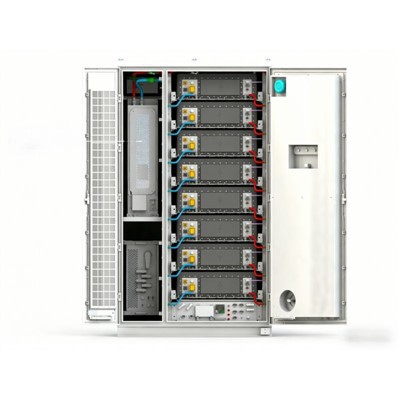
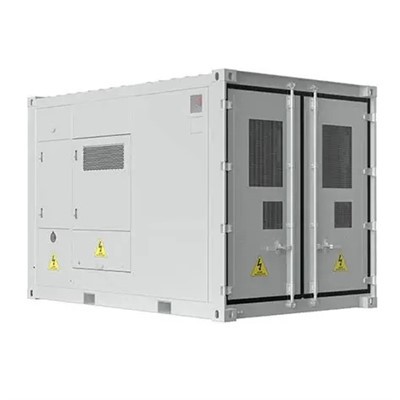
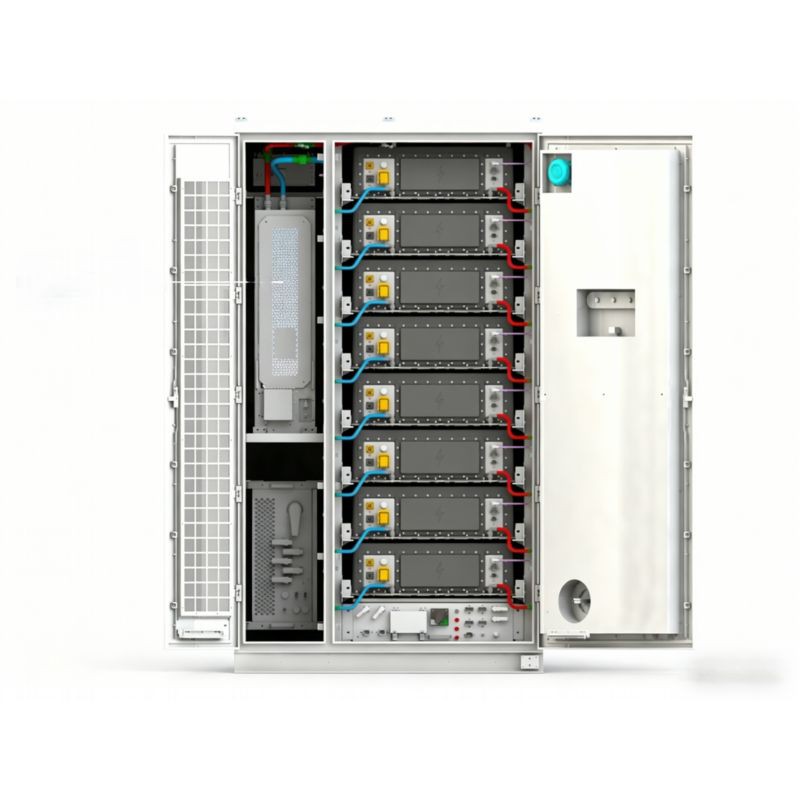
Solar Plus Storage for Commercial Buildings is a complete application-oriented solution for offices, retail complexes, schools, hotels, clinics, and mixed-use properties that want to combine rooftop solar generation with battery storage in a practical, finance-driven way. Instead of exporting excess daytime generation at low value and buying power back later at higher tariffs, the system keeps more energy on site and makes building consumption more flexible.
This solution is less about industrial process support and more about making buildings run smarter: shifting solar into evening occupancy, reducing HVAC-related demand spikes, improving backup readiness for essential services, and increasing the overall value of rooftop PV investment.
Reference Specifications
|
Parameter |
Value |
|
Typical Capacity Range |
100 kWh to 300 kWh |
|
Typical Power Range |
50 kW to 150 kW |
|
Battery Chemistry |
LiFePO4 |
|
PV Compatibility |
Rooftop or carport solar systems |
|
Application Voltage |
400V/480V AC |
|
Operating Modes |
Self-consumption, TOU shifting, backup, peak shaving |
|
Monitoring |
Building energy dashboard + remote portal |
|
Expected Battery Life |
10–15 years depending on usage |
|
Installation Format |
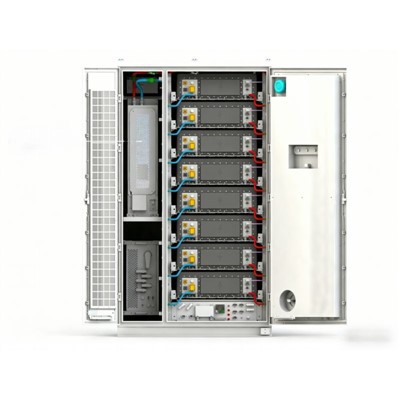
Outdoor cabinet/equipment yard/service zone |
|
Safety Functions |
BMS, HVAC control, fire detection, suppression |
Core Uses
Higher PV Self-Consumption
Many commercial buildings have peak solar production when occupancy is moderate. Storage captures midday surplus and shifts it into the evening when lighting, elevators, ventilation, and tenant loads remain active.
Lower Building Energy Costs
Battery dispatch can be aligned with tariff schedules, occupancy patterns, and seasonal HVAC loads to reduce both energy and demand charges.
Critical Service Continuity
For buildings where uninterrupted power matters, the system can maintain selected circuits such as reception, emergency lighting, access control, data rooms, and medical equipment support loads.
Typical Application Scenarios
Office Buildings with Strong Daytime Solar and Evening Occupancy
An office building with conference facilities may generate strong rooftop solar output around noon, but tenant occupancy and common-area consumption remain high into the evening. Storage extends the solar benefit into those hours and reduces the need to import high-priced grid electricity after sunset.
Hotels and Hospitality Properties
Hotels have long operating hours, weather-sensitive cooling loads, and a strong need for resilient guest-facing services. A solar-plus-storage solution allows daytime solar to support evening common-area demand while maintaining backup support for reception, communications, and essential systems.
Educational Campuses
Schools and private training centers often have broad roof area and predictable schedules. Storage helps them consume more of their own solar energy, smooth HVAC peaks, and preserve critical loads during short grid interruptions without resorting to oversized diesel backup.
Retail and Lifestyle Centers
Retail properties benefit when shared-area lighting, escalators, ventilation, and cooling can use stored solar power after the strongest generation period has passed. This improves the economics of common-area energy management for landlords and operators.
Simple Selection Guide
• Best suited to buildings with a meaningful gap between daytime solar production and evening consumption.
• A good fit when rooftop PV already exists or is planned and export value is limited.
• Select capacity based on typical midday excess generation and target evening discharge window.
• If the building has highly critical outage requirements, verify backup load segmentation during design.
Standards and Compliance
Systems can be configured to align with project-specific local and international requirements including IEC 62619, IEC 62477, UN38.3, CE, and relevant grid interconnection rules. Final compliance scope depends on voltage level, market destination, and authority approvals.
Hot Tags: solar plus storage for commercial buildings, China solar plus storage for commercial buildings manufacturers, suppliers, factory