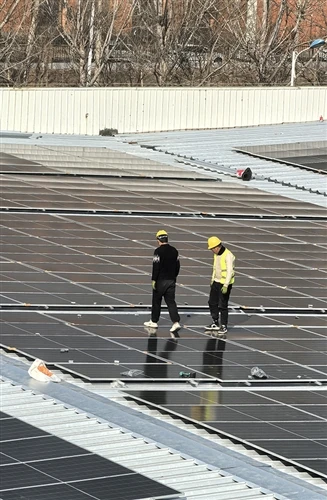
The cost of a whole home battery backup depends on more than just the battery itself. A complete system may include the battery pack, inverter, control system, installation, and, in many cases, solar PV integration. If the project includes photovoltaic panels, the total investment will be higher, but the system can also deliver greater long-term value by storing solar energy for self-consumption and backup use.
Battery cost is closely related to storage capacity and cell quality. As a broad industry reference, battery pack pricing may start around USD 100 per kWh, but actual system cost varies significantly depending on the type of cells, system design, certification requirements, and product reliability. Higher-quality cells generally provide better consistency, longer cycle life, and more stable performance over time.
Lifetime is another key factor. A battery with a longer service life and better cycle performance can generate stronger returns because it remains usable for more years and supports more charge-discharge cycles. In practice, this means the cheapest option is not always the most economical one.
Safety is even more important than upfront cost. For residential energy storage, thermal stability, BMS design, system protection, and overall product engineering have a major impact on long-term performance and user confidence. Choosing a system based only on price can increase operational and safety risks.
At SINELINK, we provide safe, reliable residential energy storage products and complete system solution design tailored to different household needs. A well-designed whole home backup system should balance cost, capacity, lifespan, and safety to deliver dependable performance and better long-term value.